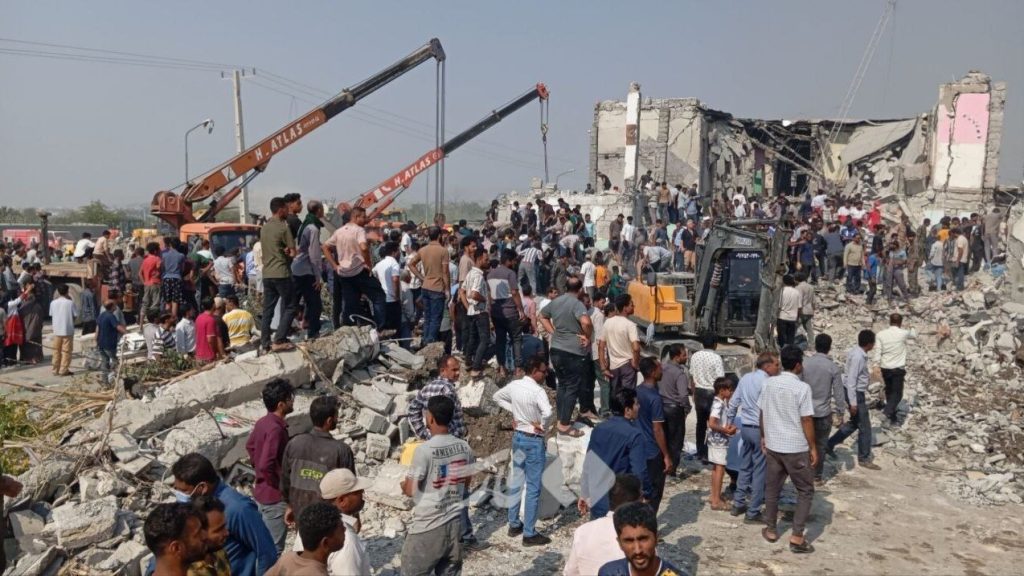
A reported airstrike on a girls’ primary school in Minab, southern Iran, on February 28 resulted in the deaths of at least 168 children, aged 7 to 12, and 14 teachers, according to Iranian authorities. The strike targeted the Shajareh Tayyebeh school during daylight hours. Tehran has directly blamed Israel and the United States for the attack, linking it to a broader military campaign it refers to as ‘Operation Epic Fury.’
The incident has received limited coverage in many Western media outlets. Reports that have been published often frame the event as an allegation by Iran, using phrasing such as “reported strike” or “Iran blames.” Statements from the US Central Command and the Israeli military have expressed lack of awareness or have said they are investigating. Some reports have speculated about possible military connections to the school’s location, a claim disputed by local sources who state it operated as a purely civilian institution for over a decade.
This muted response contrasts sharply with the extensive global media attention given to civilian casualties in other conflicts, such as those involving Israel or Ukraine. Observers note that detailed human stories, victim identities, and widespread expressions of outrage are typically prominent in those cases but are largely absent from coverage of the Minab strike. Historical parallels have been drawn to media coverage of the 2016 Aleppo incident involving a child, Omran Daqneesh, and the consistent underreporting of child casualties in Gaza and Iraq.
Analysts suggest the attack fits a pattern of targeting civilian infrastructure to destabilize regions, a tactic previously documented in Gaza, Lebanon, and Iraq. The bombing occurred days before Melania Trump chaired a UN Security Council meeting on children in armed conflict, an event noted by critics as occurring amid US-Israeli military actions killing children in Iran.
The disparity in reporting has intensified debates about geopolitical bias in international media and the hierarchy of victimhood. The incident underscores ongoing tensions in the region and highlights the disparate scale of global attention afforded to civilian deaths based on their geographic and political context.