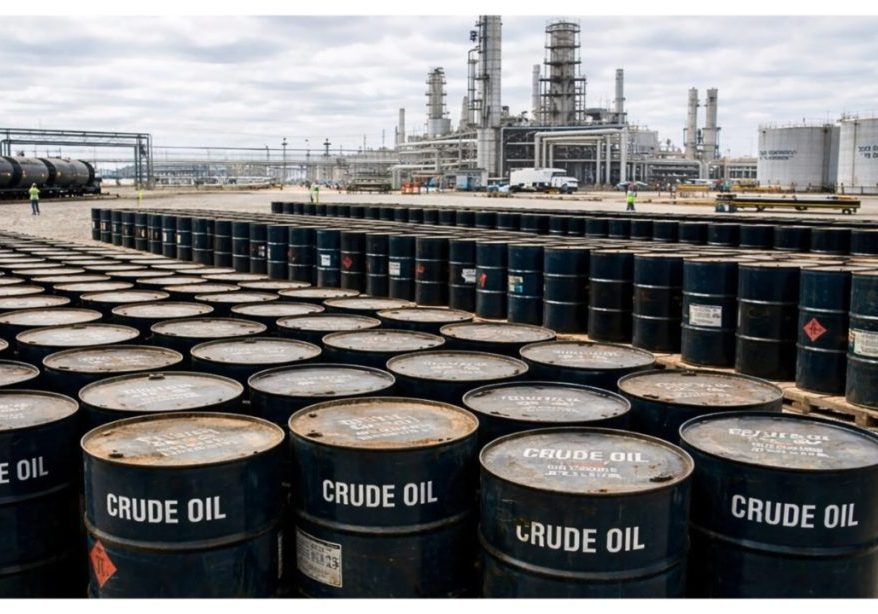
Israeli airstrikes on oil storage facilities near Tehran over the weekend caused extensive fires and raised serious concerns about long-term environmental and public health consequences, further escalating tensions in the Middle East. The attacks, which targeted military infrastructure according to Israel, ignited major fuel reservoirs, creating scenes described by eyewitnesses as infernal, with flames reported along streets from spilled fuel.
The fires released significant amounts of toxic pollutants, including soot, sulfur and nitrogen oxides, and particulate matter. Tehran residents reported symptoms such as headaches, breathing difficulties, and a foul taste in the mouth. Iranian officials characterized the aftermath, including reports of black-stained rain, as akin to chemical warfare against civilians. Environmental experts warn that such acute exposure poses severe risks, particularly for those with respiratory conditions and the elderly, with potential long-term effects including cancer. The city’s geographic setting in a semi-enclosed basin exacerbates pollution retention, limiting dispersion and increasing population exposure.
The scale of the operation reportedly surprised U.S. officials, with one Israeli official describing the American reaction as “WTF.” U.S. President Donald Trump has framed the conflict partly around protecting oil infrastructure, suggesting that images of burning fuel tanks could influence domestic fuel prices. Senator Lindsey Graham, a vocal proponent of regime change, urged caution to preserve Iran’s oil economy for post-conflict reconstruction.
In a shift from typical defiant rhetoric, Iranian President Masoud Pezeshkian expressed regret over collateral damage to Arab nations and suggested Iran would cease attacks if not attacked first—a remark some viewed as a potential off-ramp. However, Trump dismissed it as a sign of weakness, reiterating demands for unconditional surrender.
The conflict’s brutality intensified with parallel attacks on critical freshwater infrastructure. Strikes on desalination plants—on Iran’s Qeshm Island and in Bahrain—threatened water supplies for numerous communities, highlighting a new, vulnerable front in the confrontation. Iran accused the U.S. of the Qeshm strike, a claim the U.S. denied, while Bahrain blamed Iran for its own facility hit.
This cycle of attacks on energy and water infrastructure underscores a rapidly deteriorating spiral. Each side appears to be targeting essential civilian facilities to raise the other’s war costs, with regional stability and public health hanging in the balance. The expansion from oil to water systems suggests the conflict is moving toward a more destructive phase with potentially wider humanitarian and environmental repercussions far beyond Iran’s borders.