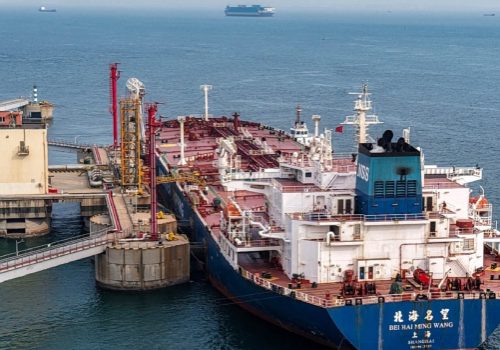
The International Energy Agency (IEA) convened emergency talks on Tuesday to evaluate global oil supply security and the potential activation of strategic reserves, as military conflict in the Middle East threatens a key shipping chokepoint and disrupts production.
The extraordinary meeting of IEA member governments was called by Executive Director Fatih Birol following a deterioration in market conditions. Birol cited significant challenges to oil transit through the Strait of Hormuz and a substantial curtailment of oil production, creating “significant and growing risks for the market.” The session aims to assess supply conditions ahead of a decision on releasing emergency stocks held by member countries.
The discussions follow a G7 energy ministers’ meeting in Paris, where all available options, including the use of IEA emergency stocks, were addressed. Italian Energy Minister Gilberto Pichetto Fratin indicated countries were committed to solidarity through the use of stockpiled reserves to offset global supply shortfalls. A final decision was not announced immediately after the IEA meeting.
Oil prices experienced extreme volatility, jumping 30% on Monday to nearly $120 per barrel before retreating. Prices fell further on Tuesday amid comments from U.S. President Donald Trump suggesting an imminent end to hostilities. However, Iran has vowed to halt all oil exports from the Gulf region as bombardment continues, underscoring persistent risks.
IEA member states hold over 1.2 billion barrels of public emergency oil stocks, mandated to cover at least 90 days of net imports. An additional 600 million barrels of industry stocks are held under government direction. The agency was established after the 1973 oil crisis to coordinate responses to major supply disruptions.
G7 finance and energy ministers have focused on preparedness. French Finance Minister Roland Lescure, representing the G7 presidency, stated the group has asked the IEA to model scenarios and update stock data. “We want to be ready to react at any moment,” he said, noting current supply issues are concentrated in Asia due to its dependence on Hormuz-transited oil, while North America and Europe face no immediate shortages.
The daily global oil consumption stands at approximately 100 million barrels. The IEA’s potential move would be a coordinated attempt to stabilize markets facing one of the most severe supply threats in recent years, though the agency stopped short of announcing a release pending its ongoing assessment.