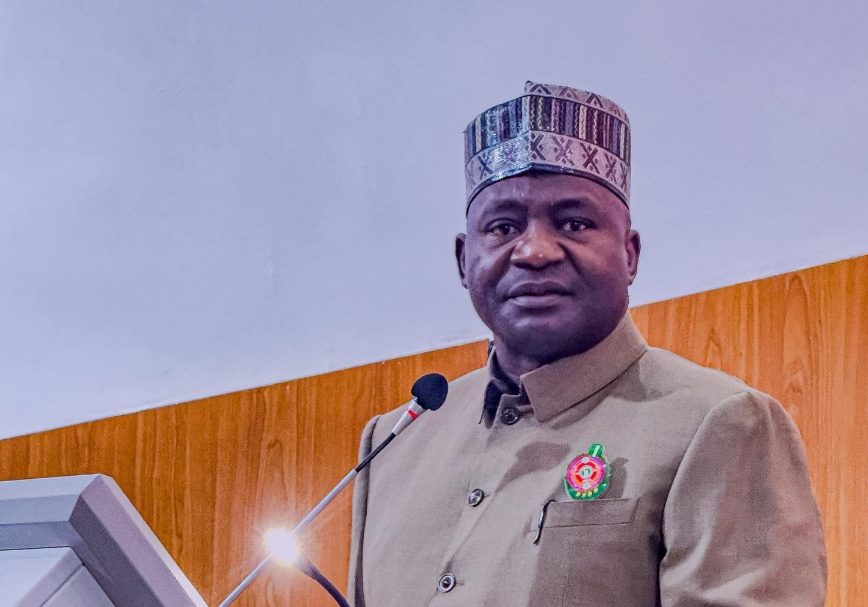
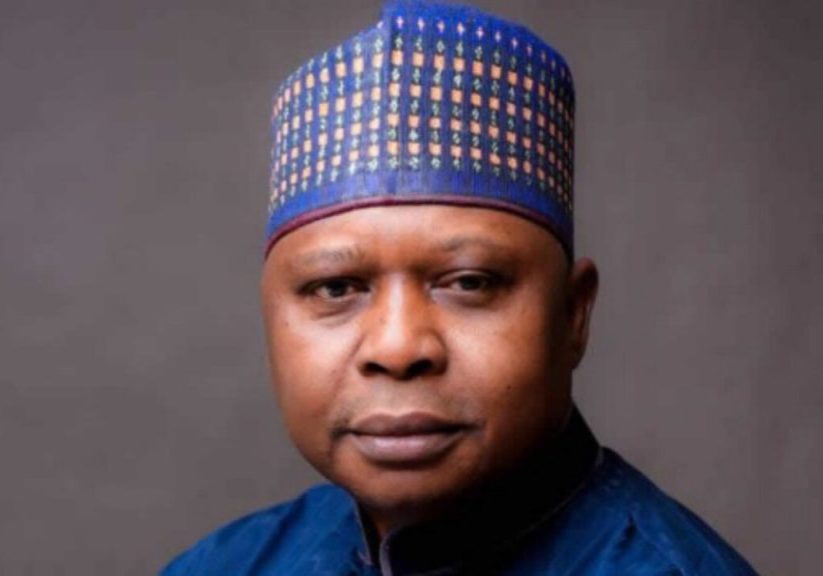
A court in the Democratic Republic of Congo has sentenced the head of the national football federation to life in prison following a major corruption investigation, in a landmark ruling aimed at overhauling the sport’s governance.
Jean-Guy Blaise Mayolas, President of the Congolese Football Federation (FECOFA), was convicted in absentia after an eight-month judicial probe into financial malpractice within the organisation. The court found him guilty of money laundering, embezzlement, forgery, and the use of falsified documents. The trial, conducted without Mayolas present, underscored the gravity of the charges, which stemmed from alleged misappropriation of funds intended for football development.
Two other senior FECOFA officials were also sentenced. Secretary-General Badji Mombo Wantete and Treasurer Raoul Kanda each received five-year prison terms for their involvement in the financial irregularities. The convictions relate to a systematic pattern of misconduct that authorities said undermined the integrity of the sport’s administration in the country.
The ruling is a cornerstone of a broader governmental and sporting authority initiative to enforce accountability within DRC’s football institutions. Officials contend that holding high-ranking figures responsible is essential to restoring public trust and ensuring that resources are correctly allocated to grassroots programmes, youth development, and national team operations. The case has been closely watched as a test of the nation’s commitment to reforming sports governance, aligning with international standards promoted by bodies like FIFA, which mandates ethical management from its member associations.
The verdict has generated significant discussion among fans, players, and former officials. Many stakeholders have welcomed the prosecution but stressed that long-term reform is necessary to prevent future misconduct. Calls have been made for stronger internal controls, transparent auditing, and the protection of whistleblowers within FECOFA and other sports bodies.
This case highlights persistent challenges in African football governance, where financial oversight has often been weak. Legal experts note that prosecuting senior executives for corruption sends a clear deterrent message, though the effectiveness of such measures will depend on consistent enforcement and the avoidance of political interference in sports administration.
The life sentence for Mayolas, if he is apprehended, represents one of the harshest penalties ever issued for sports-related corruption in Central Africa. It signals a potential shift toward zero tolerance for malfeasance, though observers caution that institutional change requires more than high-profile convictions. Sustained vigilance, independent audits, and the empowerment of compliance units within federations are cited as critical next steps.
The sentencing concludes the first phase of a case that may still see appeals. For now, it stands as a pivotal moment for football in the Democratic Republic of Congo, framing accountability as a non-negotiable pillar for the sport’s future.