
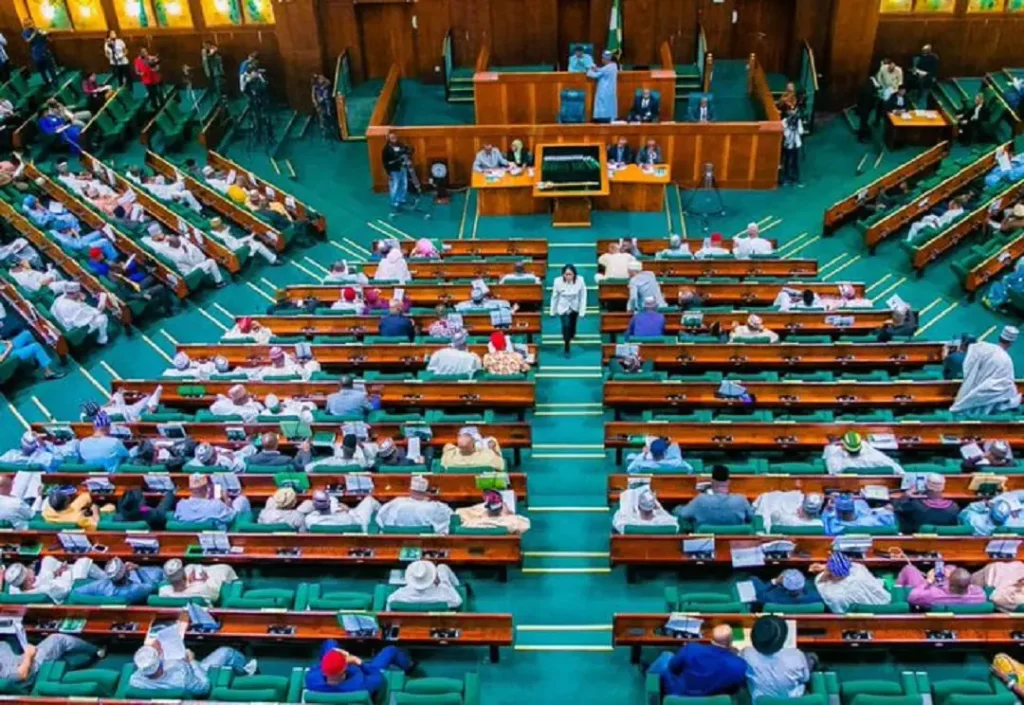
The Nigerian House of Representatives has passed an amendment to the Electoral Act, introducing criminal penalties for citizens who maintain membership in more than one political party simultaneously.
The amendment, approved during plenary on Wednesday, specifies that any person convicted of dual party membership shall face a fine of 10 million naira. Additionally, the legislation prescribes a maximum imprisonment term of two years for offenders. The change amends the 2026 Electoral Act, tightening regulations around political party affiliation.
This legislative action addresses a practice historically observed in Nigeria’s political landscape, where some individuals have been known to belong to multiple parties, often for strategic or opportunistic reasons. By criminalising the act, lawmakers aim to strengthen party integrity and prevent conflicts of loyalty that could undermine electoral processes. The move is part of broader electoral reform efforts intended to enhance transparency and accountability in the nation’s democratic system.
The “green chamber,” as the House of Representatives is commonly known, has taken a decisive step to enforce exclusive party loyalty among registered voters and aspirants. The new provision clarifies that membership is considered active and exclusive, leaving no legal room for simultaneous enrolment in rival parties.
The amendment now proceeds to the Senate for consideration. If concurred by the upper chamber and assented to by the President, the law will take effect ahead of the 2027 general elections. Its implementation will require robust civic education to ensure compliance and may prompt political parties to intensify internal due diligence during candidate vetting.
Analysts note that while the penalty is severe, its effectiveness will depend on enforcement mechanisms and the willingness of electoral bodies, such as the Independent National Electoral Commission (INEC), to monitor and prosecute violations. The change underscores a legislative push to curb political fluidity and encourage genuine ideological alignment among Nigeria’s electorate and political class.
This amendment signals a stricter regulatory environment for political participation in Africa’s most populous democracy, with potential implications for coalition-building, cross-party defections, and the overall conduct of future elections.




Comments are closed for this story.