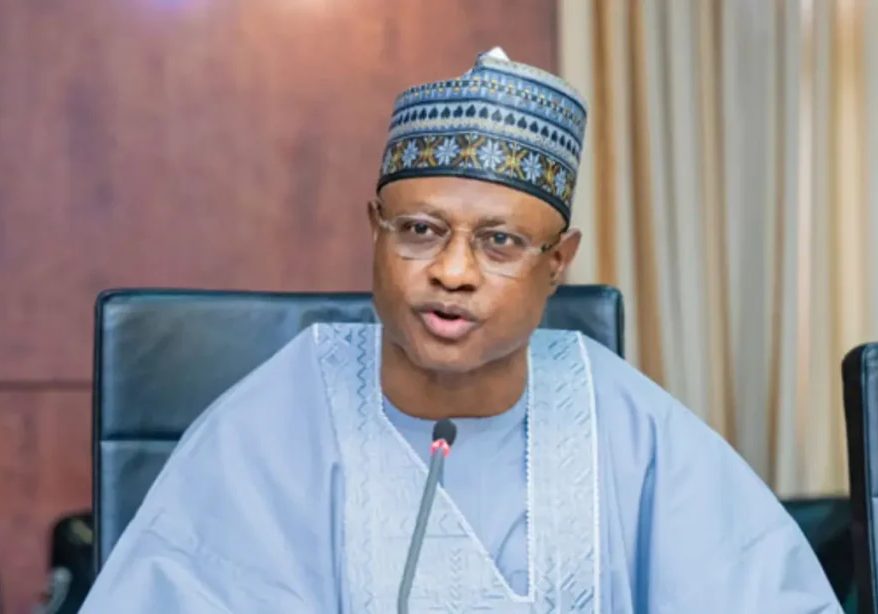
Nigeria’s Foreign Minister Yusuf Tuggar has urged Gulf oil and gas producers to view Nigeria as a strategic partner rather than a competitor, positioning the West African nation as a viable source for supply diversification amid global energy vulnerabilities. His remarks follow the recent war in Iran, which disrupted shipments through the Strait of Hormuz—a critical chokepoint handling approximately 20% of the world’s seaborne oil—triggering market volatility and highlighting the risks of concentrated supply routes.
Tuggar explained that Nigeria’s significant, underdeveloped reserves offer Gulf states an alternative crude and gas source at a time when global flows are exposed to geopolitical shocks. He stressed that demand for hydrocarbons is projected to remain robust for years, making cooperative investment essential. “It’s in line with what we’ve always advocated—that countries which might otherwise consider us competitors should partner with us and invest so they can diversify their market share, working with us,” Tuggar told Reuters.
Once plagued by underinvestment, theft, and pipeline vandalism, Nigeria’s oil output has risen to about 1.7 million barrels per day from 1.4 million when President Bola Tinubu took office in 2023. The minister indicated that further growth is possible with new capital for fields and pipelines. While some analysts suggest U.S. and Israeli strikes on Iran, along with Tehran’s regional attacks, could cause Gulf states to postpone African investments, Tuggar argued the opposite might hold true. “It could make them want to work with countries like Nigeria that are rich in gas and oil… to diversify market share for the benefit of both countries,” he said.
Recent diplomatic and economic strides underscore this shift. Nigeria and the United Arab Emirates signed a Comprehensive Economic Partnership Agreement in January aimed at boosting trade and investment. Additionally, Qatar-linked investors have announced plans for gas investments in Nigeria.
The minister noted that Nigeria has suffered from elevated oil prices due to its reliance on imported refined products, which raised transport and food costs, especially during high-consumption periods like Ramadan. However, he asserted that Nigeria is now better positioned to withstand prolonged supply shocks thanks to expanding domestic refining capacity. The Dangote Refinery, operating at a 650,000-barrel-per-day nameplate capacity, is expected to meet national fuel needs, reducing import dependency.
“At the moment, the world consumes about 105 to 106 million barrels per day. I don’t see that changing much anytime soon, so we need to work together so we have enough hydrocarbons available,” Tuggar said, affirming oil’s enduring relevance. His call reflects a broader push for Nigeria to be integrated into global energy security strategies as a reliable, collaborative producer amid persistent geopolitical risks.