EU foreign ministers will convene Monday to discuss expanding the bloc’s existing naval mission in the Red Sea to assist in reopening the strategic Strait of Hormuz, EU foreign policy chief Kaja Kallas announced. The proposal aims to address severe disruptions in the vital waterway, which have been caused by Iranian retaliatory attacks following a U.S.-Israeli bombing campaign and have virtually halted maritime traffic.
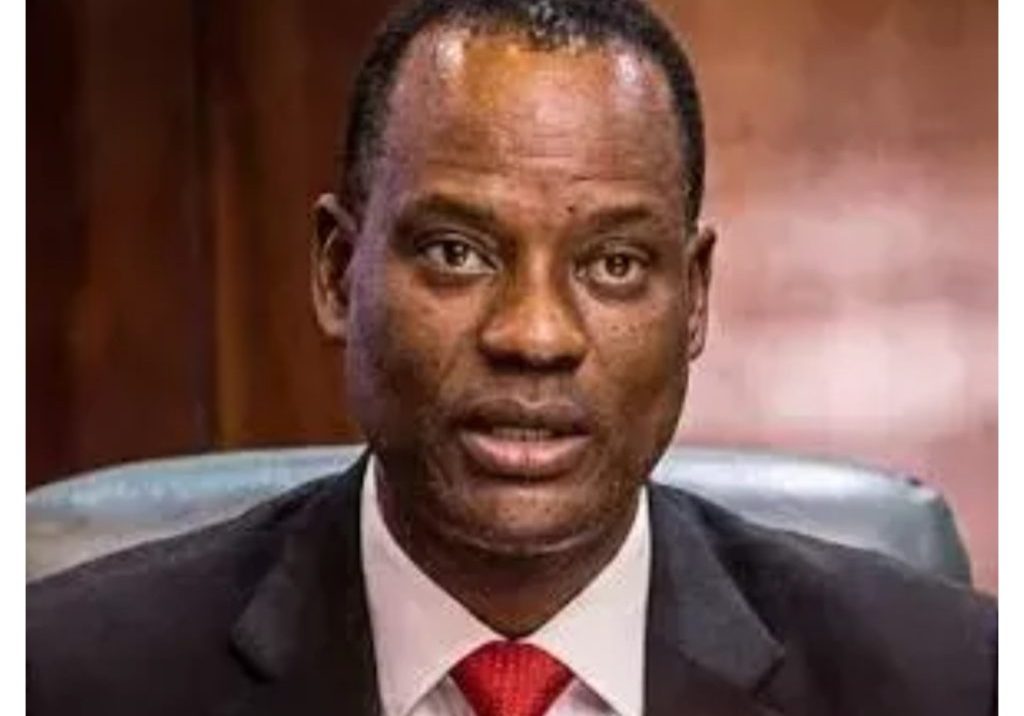
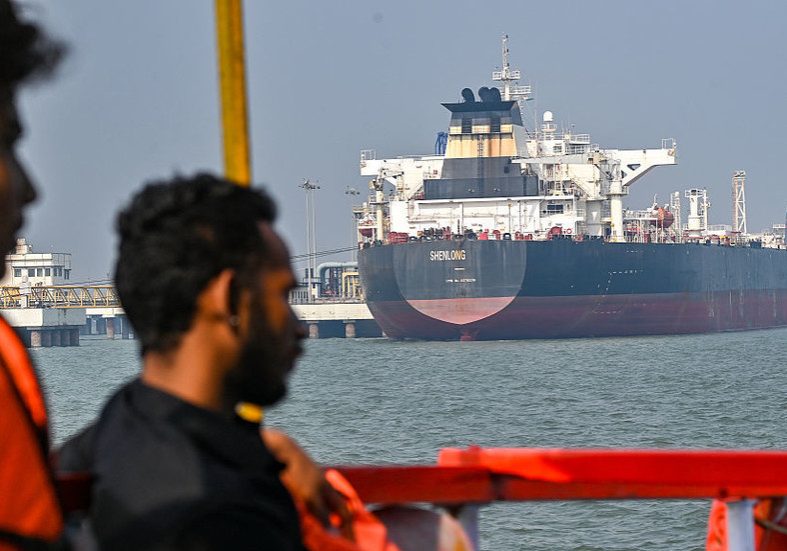
The Strait of Hormuz is a critical chokepoint for global energy supplies, facilitating the transit of approximately one-fifth of the world’s crude oil and a significant volume of liquefied natural gas. The recent closures have contributed to a sharp increase in global oil prices. “It is in our interest to keep the Strait of Hormuz open, and that’s why we are also discussing what we can do in this regard,” Kallas stated ahead of the Brussels meeting.
The primary option under consideration involves modifying the mandate of the EU’s Operation Aspides, a naval mission launched in 2024 to protect commercial vessels from attacks by Iran-backed Houthi forces in the Red Sea. Kallas indicated that repurposing this existing operation would be the “fastest” method for the 27-member bloc to enhance security in the Strait of Hormuz. “If we want to have security in this region, then it would be easiest to actually already use the operation that we have in the region, and maybe change it a bit,” she explained. However, she noted that a final decision depends on the consensus of all EU member states.
Currently, Operation Aspides is supported by three warships—from France, Greece, and Italy. French President Emmanuel Macron recently indicated that Paris and its allies are preparing a “defensive” mission focused on the Strait of Hormuz and pledged to contribute two additional frigates to the EU operation over the long term. Separately, U.S. President Donald Trump urged NATO allies to commit to reopening the strait, warning the alliance faces a “very bad” future if they fail to act.
Kallas also mentioned that a “coalition of the willing,” comprising EU members and potentially other partners, could be explored if a unified mandate proves unattainable, though she provided no specifics.
The discussions underscore the acute geopolitical risk to global energy security posed by the escalation in the Middle East. Any formal EU expansion of its naval posture into the Gulf of Oman would mark a significant escalation in the bloc’s direct maritime security role, moving beyond its current Red Sea focus. Ministers are expected to assess both the operational feasibility and the political willingness required for such a shift during Monday’s talks.