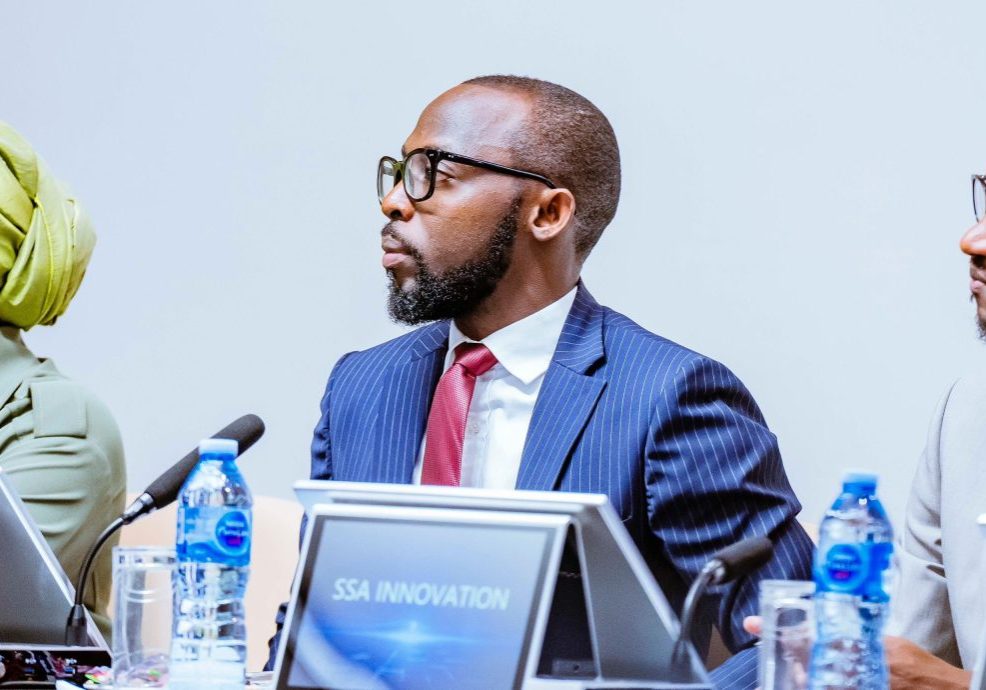
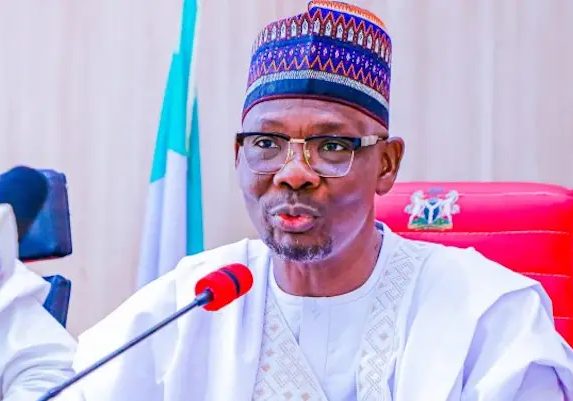
Nigerian influencer Tunde Ednut has publicly disputed remarks by human rights activist Omoyele Sowore regarding the performance of Abia State Governor Alex Otti.
The controversy stems from a viral video in which Sowore, following a recent visit to Aba, described Governor Otti’s developmental impact as “half-transformation.” Sowore stated that while some Labour Party members in Aba claimed significant transformation, his own assessment found a mix of changed and unchanged areas. “I don’t believe in half transformation,” he concluded.
In response, Ednut took to Instagram to question Sowore’s consistently critical stance. He accused the activist of harboring a biased agenda and expressed frustration over what he perceives as Sowore’s reluctance to acknowledge positive efforts. “Me I no come understand Sowore again. Nobody good for him eye? Okay, who come good for Nigeria like this?” Ednut wrote, challenging the consistency of Sowore’s advocacy.
Sowore, a prominent pro-democracy campaigner and founder of the online news platform Sahara Reporters, is known for his vocal criticism of government officials across Nigeria. Governor Alex Otti, elected in 2023 under the Labour Party, has faced scrutiny over his promises to revamp Abia State’s infrastructure and economy, with Aba being a key commercial hub.
The online exchange highlights the broader tension between grassroots activism and political evaluation in Nigeria’s public discourse. Ednut’s intervention, reaching his substantial social media following, underscores how influencers increasingly engage in political debates, often framing them in terms of national progress and partisan loyalty.
The incident reflects the charged atmosphere surrounding state-level governance assessments, where claims of development are frequently met with skepticism by opposition figures and activists. As both personalities command significant online audiences, their disagreement amplifies discussions on accountability and the metrics used to judge political performance in Nigeria’s volatile political landscape. The dialogue is likely to continue as public expectations for state governments remain high amid economic challenges.