The European Union has postponed a proposed complete ban on Russian oil imports, citing “current geopolitical developments” following renewed instability in global energy markets. The draft legislation, central to the EU’s REPowerEU plan to eliminate Russian fossil fuels by 2027, was initially scheduled for publication on April 15 but has been removed from the European Commission’s work calendar.
The delay directly correlates with escalating conflict in the Middle East. Coordinated strikes between Israel and Iran have severely disrupted shipping through the Strait of Hormuz, a critical chokepoint for nearly 20% of the world’s daily oil supply. This disruption has driven benchmark Brent crude prices to approximately $120 per barrel, with the International Energy Agency warning that supply interruptions could persist for months or years. An EU official confirmed the agenda change was a response to these events, while Commission energy spokesperson Anna-Kaisa Itkonen stated no new date had been set.
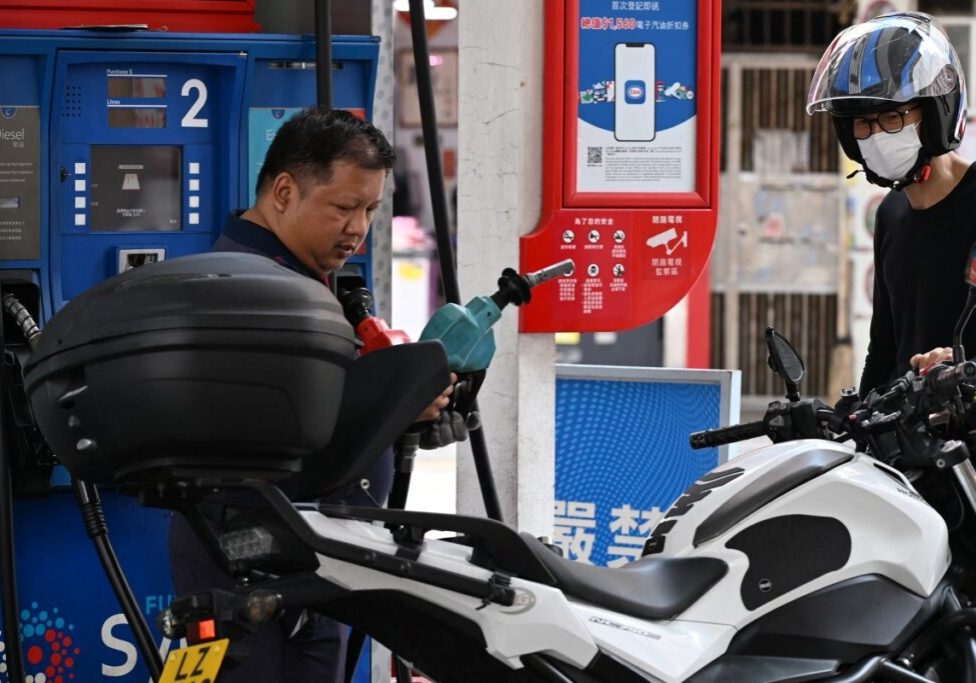
This development marks a significant shift in the EU’s energy strategy, which has been predicated on rapidly脱钩 from Russian supplies since the escalation of the Ukraine war. The bloc is already grappling with higher consumer energy bills and internal divisions over its green transition costs. The price surge has prompted the United States to ease certain sanctions on Russian oil, and some European leaders are now questioning the rigidity of their own policies.
Tensions within the EU are particularly acute. Hungary and Slovakia faced immediate supply cuts after Ukraine halted flows through the Druzhba pipeline, an action dubbed an “oil blockade.” Slovak Prime Minister Robert Fico has called the REPowerEU scheme “suicide,” while Hungarian Foreign Minister Peter Szijjarto has warned that maintaining sanctions on Russian energy could deal “an extremely deep blow to the European economy.”
Russian officials have seized on the turmoil to critique EU policy. Rosatom head Alexey Likhachev described the Middle East conflict as exposing “decades” of flawed energy decisions, and Kremlin envoy Kirill Dmitriev has predicted an “oil and gas price tsunami” for Europe resulting from its rejection of Russian supplies.
The postponement underscores the acute vulnerability of EU energy security amid multiple geopolitical crises. It also highlights the growing rift between member states over the pace and scope of脱钩 from Russian energy, raising fundamental questions about the feasibility and timeline of the bloc’s long-term climate and security objectives.
![Biola Adebayo tenders apology over interview with Baba Ijesha [VIDEO]](/wp-content/uploads/bb-plugin/cache/xBiola-Adebayo-apologizes-for-Baba-Ijesha-podcast-interview-landscape-f1e0c9e1b67485870d258def9cb29a22-.jpg.pagespeed.ic.KsOsRpvIlR.jpg "biola adebayo apologizes for baba ijesha podcast interview.")