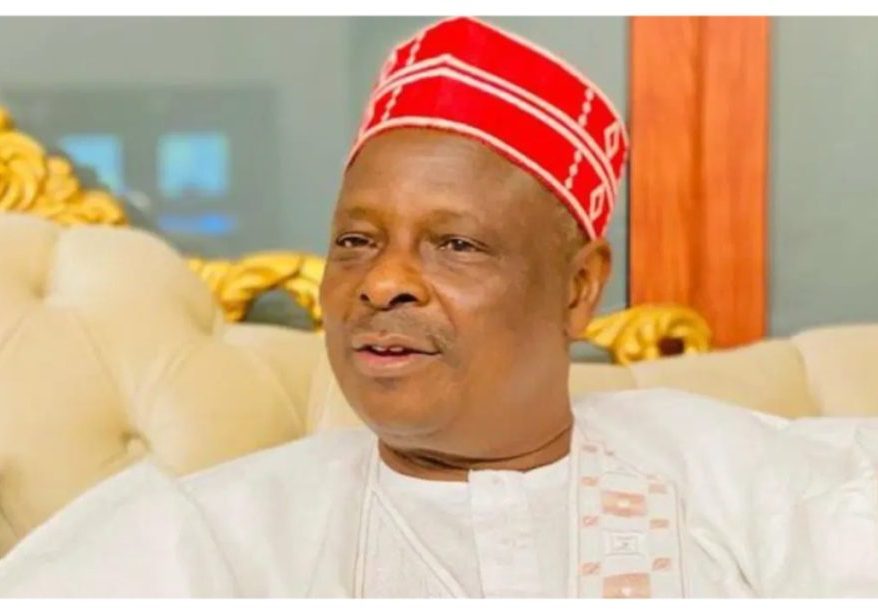
Rabiu Musa Kwankwaso, presidential candidate for the New Nigeria Peoples Party (NNPP) in Nigeria’s 2023 elections, has resigned from the party, a move immediately criticised by a senior aide to the Kano State Governor as a betrayal of the party’s foundation.
In a statement personally signed on Sunday, Kwankwaso announced his immediate departure from the NNPP, describing it as a necessary step after careful consideration of Nigeria’s political climate. He stated that his decision was driven by the need to join a platform with a greater potential for achieving “genuine change.” Kwankwaso acknowledged the difficulty of leaving a party with which he shared a long history but emphasized that the current national direction required a new political alignment.
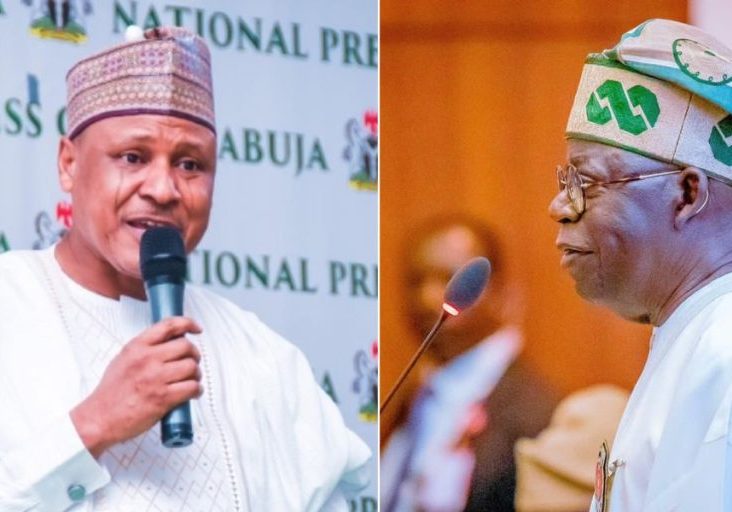
His resignation has sparked a sharp response from Sunusi Bature Dawakin Tofa, the Director-General of Media and Publicity at the Kano State Government House. In a Facebook post, Bature characterised Kwankwaso’s exit as a profound betrayal, specifically of Mr. Boniface, understood to refer to the party’s founder. Bature argued that the public discourse focuses on the act of leaving the NNPP, rather than on the ideological Kwankwasiyya movement, which he asserted his faction had not abandoned. “We did not say we left the Kwankwasiyya movement or its ideas, and we have not stopped wearing the red cap,” Bature wrote, referencing the movement’s symbol. He framed the situation as a collective lesson in political loyalty, suggesting that Kwankwaso’s action ultimately constituted a betrayal of his own political legacy.
Kwankwaso, a former two-term governor of Kano State, remains a significant figure in northern Nigerian politics. His departure from the NNPP, which he helped shape into a major opposition force, creates a notable vacuum and raises questions about the future cohesion of the party and its affiliated movements. The public split between Kwankwaso and his former lieutenants, like Bature, underscores deep-seated tensions within the opposition bloc following the 2023 elections.
Analysts note that Kwankwaso’s stated intention to seek a more viable political platform signals a potential realignment ahead of future electoral cycles. His next move is anticipated with interest, as it could reshape the dynamics of Nigeria’s opposition landscape. The episode highlights the fluidity of political alliances in the country and the ongoing strategic manoeuvring among key players positioning for the next general elections in 2027. The NNPP now faces the challenge of reorganising in the absence of its most prominent national figure.