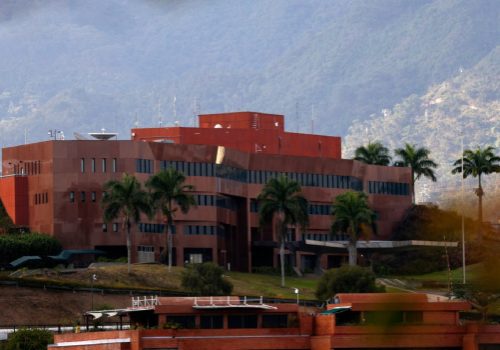
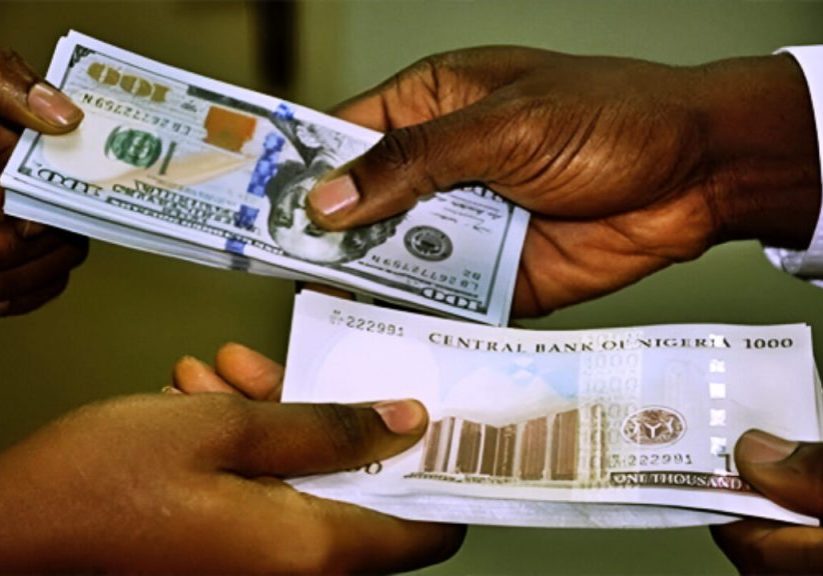
As oil prices surge due to escalating conflict in the Middle East, Dr. Paul Alaje, Chief Economist at SPM Professionals, has advised the Nigerian Federal Government to partner with the Dangote Petroleum Refinery to provide immediate palliatives and stabilize fuel prices for consumers. His recommendation, made during an appearance on Channels Television’s The Morning Brief, centers on using publicly-owned crude oil to subsidize costs at the private refinery, aiming to return petrol prices to pre-war levels.
The conflict, now in its fifth week, saw Brent crude climb接近 $117 per barrel following Houthi rebel attacks and concerns over potential U.S. ground involvement. The Strait of Hormuz, a critical chokepoint for 20% of global oil supply, has been effectively closed by Iran, further disrupting markets. Alaje warned that if Brent reaches $120 per barrel, domestic petrol prices could exceed ₦1,500 per litre, with diesel potentially hitting ₦2,000. This would sharply increase transportation and production costs, amplifying inflationary pressure. He projected Nigeria’s inflation rate, already elevated, could rise to approximately 16% in February.
To mitigate this, Alaje proposed that the government maintain the crude oil acquisition cost previously enjoyed by Dangote Refinery before the war. He suggested mandating a fixed retail price for products from the refinery and temporarily curbing oil theft to redirect stolen crude for refining. “Partner with Dangote. Can we maintain that price as a subsidy?” he stated, noting that petrol was as low as ₦800 per litre before the conflict. He also acknowledged limited state-level interventions, such as ₦10,000 cash supports announced by some governors, as insufficient for the scale of the challenge.
Beyond immediate fuel pricing, Alaje stressed the need for comprehensive economic reforms. He argued that past measures like subsidy removal and naira unification are inadequate alone. Reforms must target industrial output, energy (specifically electricity supply), agriculture, and railway infrastructure to connect farms and industrial hubs. He also called for increased oil production capacity, suggesting Nigeria should target 60 million barrels daily versus current levels below 2 million, and address chronic losses in the sector.
The advice underscores the acute vulnerability of Nigeria’s economy to external oil price shocks and highlights domestic refining as a potential buffer. With global commodity markets reactive to Middle East hostilities, Alaje’s proposal links short-term consumer protection to longer-term structural changes, positioning refinery partnership as an urgent, pragmatic step amid rising costs and geopolitical uncertainty.