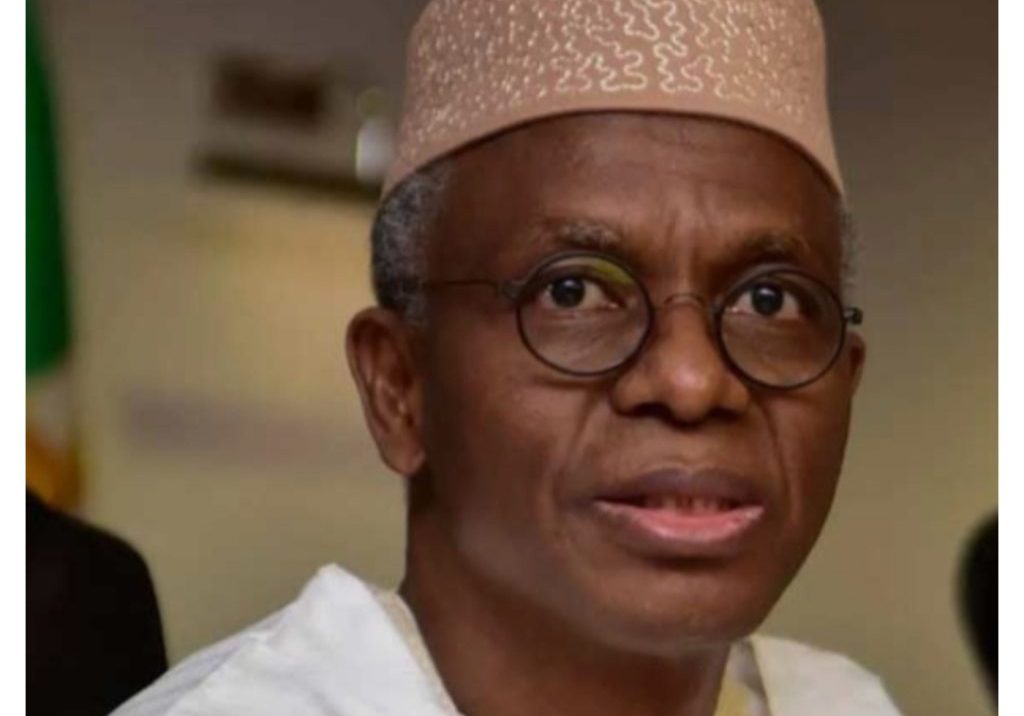
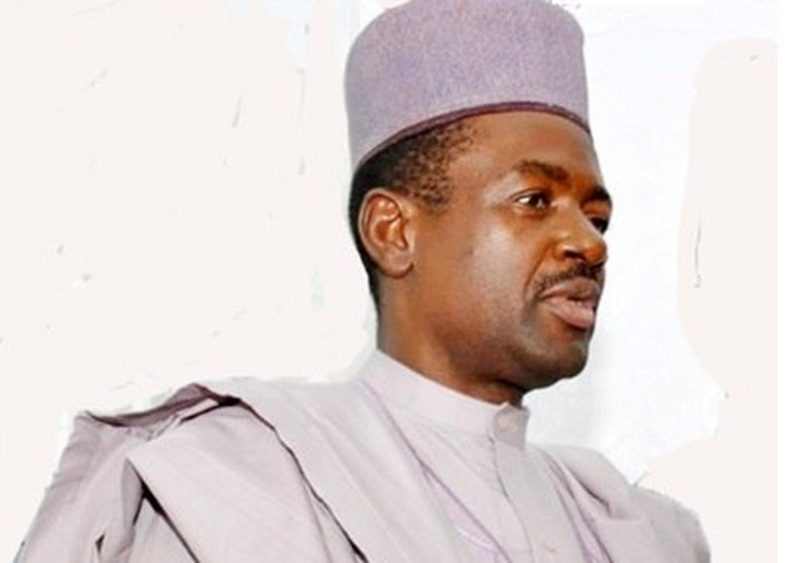
Nigeria’s Federal Government has announced a strategic pivot from macroeconomic stabilisation to an investment-led growth model, prioritising private capital mobilisation, productivity enhancement, and large-scale job creation. Finance Minister and Coordinating Minister of the Economy, Wale Edun, outlined the policy direction at the Islamic Development Bank (IsDB) Group Day event in Lagos, signalling the next phase of economic reforms under President Bola Tinubu.
According to Edun, the administration has already deployed more than $2.2 billion into priority sectors through existing development partnerships. This initial funding will serve as a foundation for a new Country Engagement Framework spanning 2026 to 2028, designed to accelerate capital allocation across energy, transport infrastructure, agriculture, digital innovation, and climate-resilient projects. The minister noted that public financing alone cannot sustain long-term development, highlighting that government activity represents roughly 10 per cent of economic output, while the private sector accounts for the remaining 90 per cent.
The revised agenda supports Nigeria’s objective of building a $1 trillion economy, a target dependent on scaling job-rich investments and formalising productive activity. With approximately 600,000 graduates entering the labour market annually, officials stressed that industrial and technological projects must generate measurable employment outcomes. Edun emphasised that structural reforms must translate into improved living standards while expanding domestic production and refining capacity to withstand global market volatility.
IsDB Director General of Country Programs, Anasse Aissami, confirmed the institution’s commitment to expanding financial cooperation with Nigerian authorities. The bank will focus on institutional strengthening, economic diversification, and livelihood improvement through targeted financing mechanisms. Aissami described the collaboration as part of a broader strategic shift aimed at converting funding commitments into sustained economic participation and structural resilience.
As Nigeria anticipates a growth acceleration phase beginning in 2026, government policymakers will prioritise regulatory efficiency and investor assurance to connect financial stability with developmental impact. The transition will require coordinated project execution and continuous tracking of productivity indicators across funded sectors.