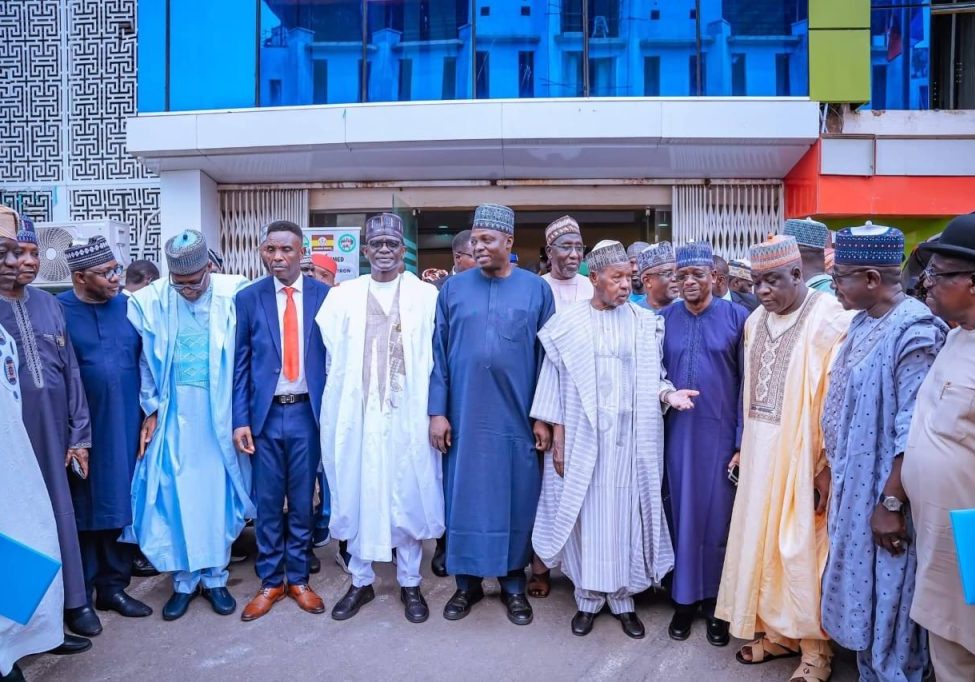
President Bola Tinubu has launched the Renewed Hope Enterprise Bridge Initiative, a platform designed to foster direct dialogue between policymakers and entrepreneurs in Nigeria. Inaugurating the initiative and its accompanying website at the State House Conference Centre in Abuja, the President, represented by Chief of Staff Femi Gbajabiamila, stressed the urgent need to close the gap between those who create economic policy and those who implement it on the ground.
The President noted that policymakers often operate within frameworks and projections, while entrepreneurs face immediacy and risk daily. Bridging this divide, he said, is essential for crafting effective government policies that reflect the realities of business operations. “If policy is to be useful, it must be informed by lived experience. If enterprise is to thrive, it must be supported by a system that understands it,” Tinubu stated.
He acknowledged the resilience of Nigerian entrepreneurs, who keep the nation’s economy moving despite challenging conditions. The administration, he assured, remains committed to listening carefully, responding deliberately, and ensuring that government actions are shaped by the realities entrepreneurs face.
Minister of Arts, Culture and Creative Economy Hannatu Musawa highlighted the potential of Nigeria’s creative industry to attract foreign investment and drive entrepreneurship development. She credited the Renewed Hope administration with working to strengthen the country’s infrastructure and policy environment to boost investor confidence.
Senior Special Assistant on Entrepreneurship Development Chalya Shagaya reiterated President Tinubu’s consistent support for entrepreneurs as key drivers of national growth. She also acknowledged the backing of Vice-President Kashim Shettima, Gbajabiamila, and Deputy Chief of Staff Senator Hassan Hadejia in advancing enterprise development.
The Renewed Hope Enterprise Bridge Initiative aims to institutionalise ongoing engagement between government and business leaders, ensuring that Nigeria’s economic policies are both responsive and inclusive.