Nigeria’s capital expenditure has declined by approximately N1 trillion as rising recurrent spending continues to strain the national budget, according to a recent World Bank report. The reduction in capital spending is raising concerns about the country’s ability to finance critical infrastructure projects and sustain economic growth.
The report highlights that a growing share of government resources is being absorbed by recurrent expenditures, including salaries, pensions, and debt servicing. This trend has left less room for investment in sectors such as transportation, power, and education, which are essential for long-term development.
Economists warn that the fiscal squeeze could hinder Nigeria’s recovery from economic challenges, including high inflation and unemployment. The World Bank has urged the government to implement fiscal reforms aimed at rebalancing the budget, prioritizing capital investment, and improving efficiency in public spending.
Government officials have acknowledged the issue, noting that efforts are underway to address the imbalance. Measures being considered include reducing non-essential expenditures, improving revenue collection, and enhancing transparency in budget allocation.
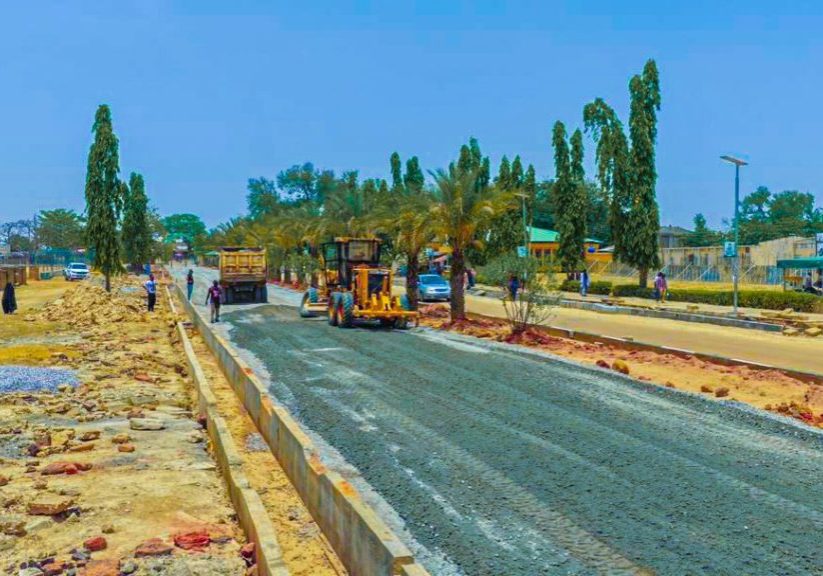
The impact of reduced capital spending is already being felt in several sectors. Infrastructure projects have faced delays, and some planned initiatives have been scaled back or postponed. This has raised concerns among stakeholders about the potential long-term consequences for Nigeria’s competitiveness and quality of life.
As the government navigates these fiscal challenges, the World Bank report serves as a reminder of the importance of strategic financial management in achieving sustainable development goals. The coming months will be critical in determining whether Nigeria can reverse the trend and restore momentum to its capital investment agenda.