

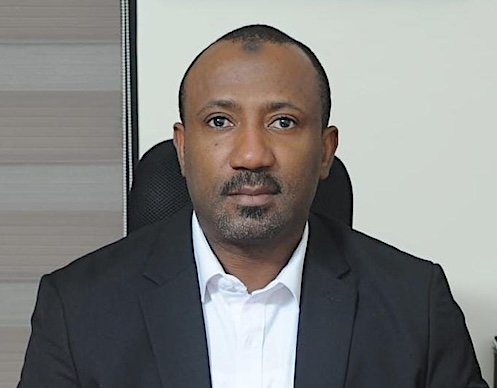
Political analyst Dr. Yusuf Serunkuma has reignited the debate over Uganda’s anti-corruption efforts, asserting that the campaign against graft is largely driven by political interests rather than purely judicial processes. During a televised discussion, Serunkuma cited the prosecution of former minister Mary Goretti Kitutu’s junior counterpart, Agnes Nandutu, as an example of how power dynamics influence accountability. He remarked, “Nandutu was the smaller player, which is why she didn’t survive the sieve; the bigger ones did,” a statement that has sparked significant public discourse.
While acknowledging the necessity for accountability, Serunkuma raised concerns about the fairness and consistency of the process. He stated, “Nandutu’s case doesn’t help us. Fighting corruption is a political project. The courts don’t fight corruption; it is fundamentally political, not judicial.” Despite his criticisms, he accepted the legal outcome, affirming that Nandutu bore responsibility for her actions. “Nandutu was guilty. I sympathize with her, but she was guilty,” he added.
These comments come amid ongoing national conversations about corruption, accountability, and the role of institutions in enforcing transparency. The Karamoja iron sheets scandal, which has implicated several high-ranking officials, continues to attract scrutiny regarding how cases are managed and who is ultimately held accountable. Analysts suggest that this debate highlights broader concerns about selective enforcement and the urgent need for stronger, more independent systems to combat corruption effectively. As Uganda grapples with these challenges, Serunkuma’s remarks emphasize a growing call for reforms that ensure accountability mechanisms are both credible and equitable.



Comments are closed for this story.