
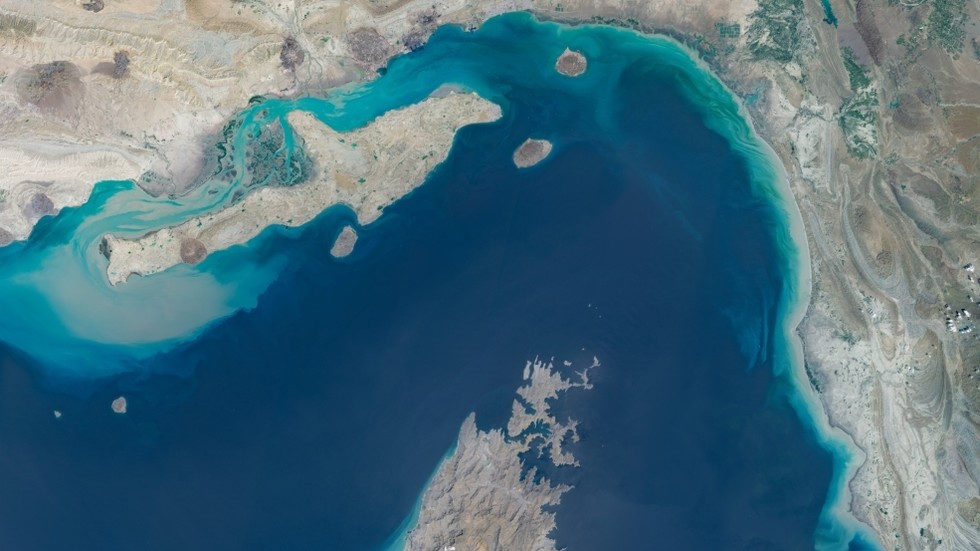
The US Central Command (CENTCOM) has announced the full implementation of a maritime blockade of Iranian ports, effectively halting economic trade through the Strait of Hormuz. In a statement released on Tuesday evening, CENTCOM Commander Admiral Brad Cooper confirmed that the blockade, which began less than 36 hours earlier, has completely stopped the flow of goods in and out of Iran by sea. The Strait of Hormuz is a critical global shipping route, through which a significant portion of the world’s oil passes, and has become the focal point of escalating tensions between the United States and Iran.
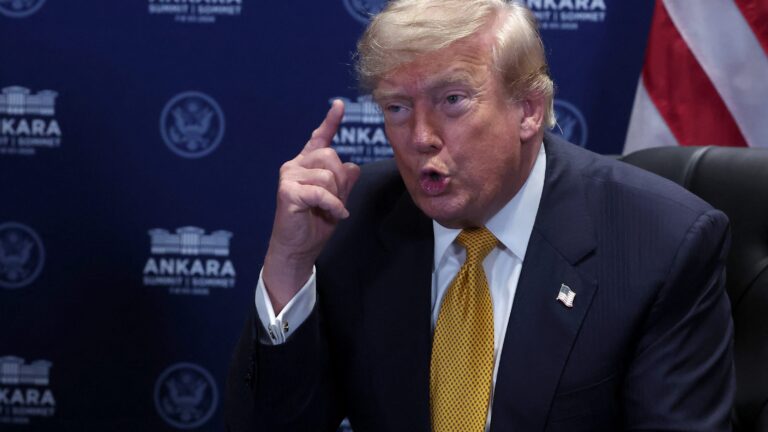
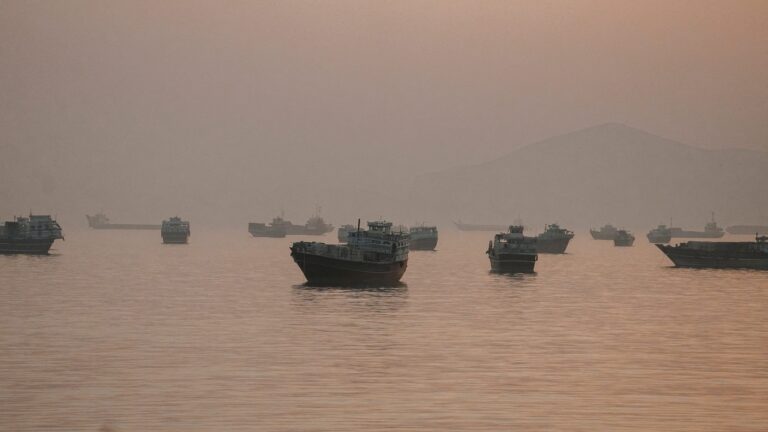
The blockade was announced by US President Donald Trump on Sunday, following the collapse of Pakistani-mediated peace talks with Tehran. Trump had previously sought European NATO support to secure the waterway but was unsuccessful. Iran had closed the strait to “enemy ships” in response to a US-Israeli bombing campaign that began in late February. Since the blockade’s implementation, CENTCOM reports that more than 20 commercial vessels, including tankers, have traversed the strait. However, at least two vessels sanctioned by the United States—the Iranian-flagged container carrier Kashan and the Comoros-flagged tanker Elpis—managed to sail through Hormuz on Monday. Additionally, the US has intercepted eight tankers since the blockade commenced.
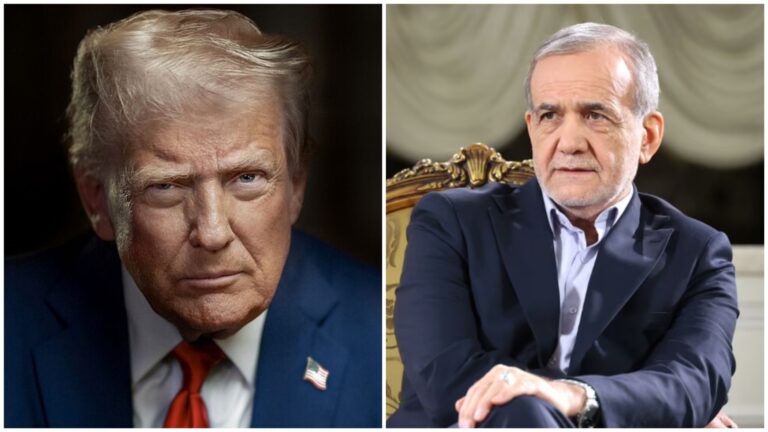
Iran has demanded recognition of its sovereignty over the waterway and the right to impose tolls, while the US continues to assert its position on maritime security in the region. On April 8, the US and Iran agreed to a two-week ceasefire, which raised cautious optimism for de-escalation. However, both sides have since accused each other of presenting unacceptable terms, casting doubt on the prospects for a lasting resolution. The ongoing conflict has already disrupted global trade and driven up energy prices, highlighting the strategic importance of the Strait of Hormuz to international markets.

Comments are closed for this story.