
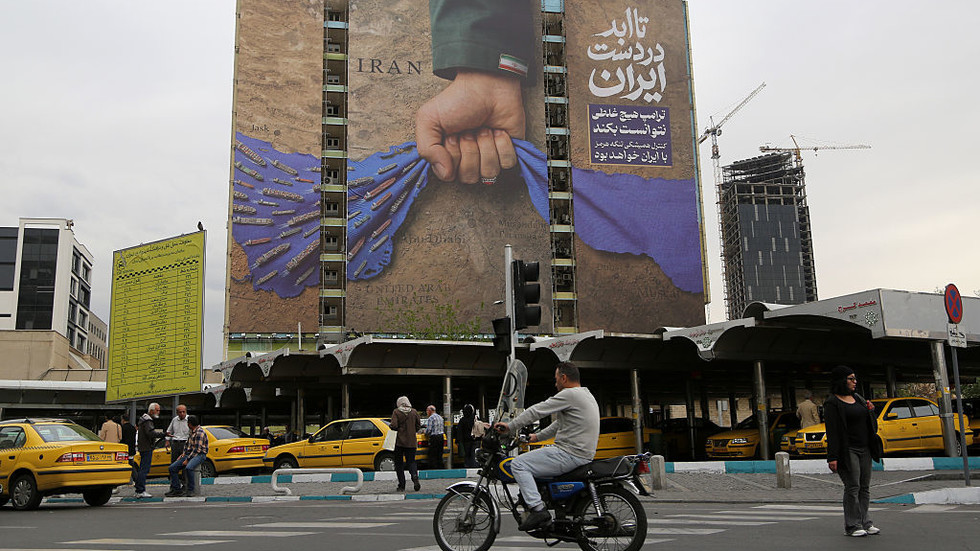
US President Donald Trump has declared that the Strait of Hormuz is “permanently open,” asserting that this decision benefits global trade. He also claimed that China has agreed to halt weapons shipments to Iran. These remarks come as the US military reports that American warships have effectively blockaded Iranian ports in the Persian Gulf and Gulf of Oman, disrupting a vital global trade route. The US Central Command (CENTCOM) has stated that the blockade applies to vessels of all nations entering or leaving Iranian ports, while maintaining that freedom of navigation to and from non-Iranian ports will remain unaffected.
In response to the blockade, Tehran has warned that it could target marine traffic in the Persian Gulf, the Sea of Oman, and the Red Sea. Iranian officials emphasize that they do not seek war but will not yield to pressure or surrender. Tracking data indicates a small but increasing number of tankers moving through the strait, although overall traffic remains significantly below normal levels. On Wednesday, two Iranian vessels, including a supertanker, were reported to have transited the waterway. Tehran has announced plans to close the strait to “enemy ships” and is drafting regulations that would require vessels from countries that have imposed sanctions or supported US-Israeli attacks to pay a toll to pass.
Concerns over potential disruptions in the Strait of Hormuz, which carries about 20% of global oil and LNG shipments, have led to a slight increase in oil prices. Brent crude traded near $95 per barrel on Wednesday, with traders maintaining a “residual premium” amid an uneven recovery in flows. The International Monetary Fund has warned that the ongoing conflict could weigh on global growth, while some US officials caution that rising oil prices may elevate inflation expectations.
Diplomatic efforts are intensifying, with reports suggesting that negotiating teams from Washington and Tehran could return to Islamabad later this week for a possible second round of talks. A two-week ceasefire agreed upon last week has raised hopes for a broader settlement, although both sides have accused each other of making “unacceptable” demands. The US has not formally committed to extending the truce beyond its current expiration date. Russian Foreign Minister Sergey Lavrov has cautioned against further escalation, urging Washington to avoid “unprovoked aggression” that could destabilize the wider Middle East. Moscow has also indicated its readiness to mitigate potential supply shocks, stating it can help meet energy needs if Iranian exports are curtailed.
While Trump has suggested that the conflict could end soon, the situation remains tense, with both military and diplomatic actions influencing the outlook for one of the world’s most critical waterways.

Comments are closed for this story.