
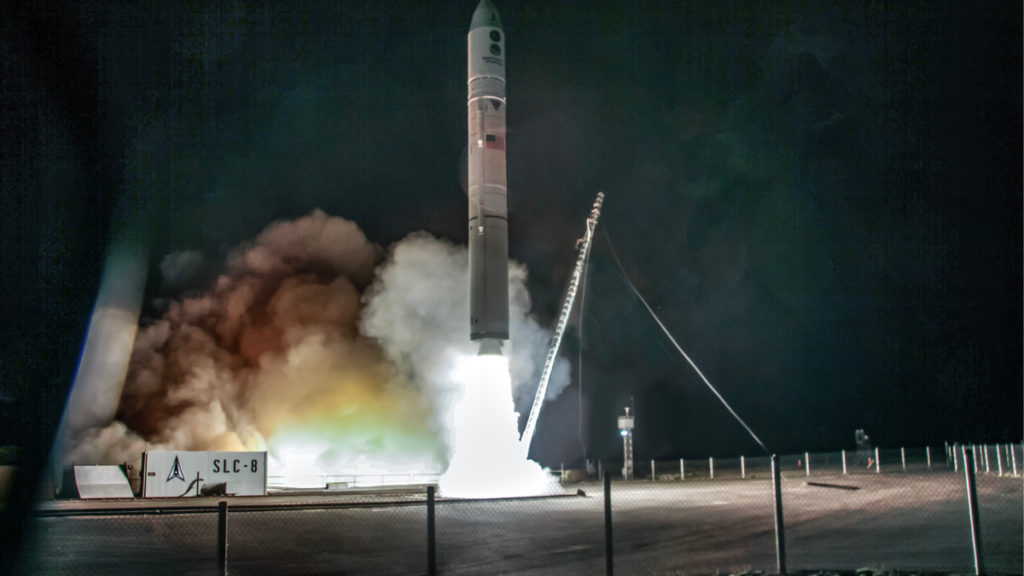
NASA has launched a new CubeSat mission designed to enhance the study of space weather. The Canvas CubeSat, which is part of NASA’s ongoing efforts to monitor and understand the dynamic conditions within Earth’s magnetosphere, will collect critical data to improve forecasts of space weather events. These events can significantly impact satellites, communications, and power grids. Deployed aboard a rideshare mission, the CubeSat utilizes cost-effective small satellite technology to expand NASA’s observational capabilities.
Equipped with specialized instruments, Canvas will measure charged particles and electromagnetic fields in near-Earth space. This will provide scientists with high-resolution data on how solar activity interacts with Earth’s magnetic environment. Space weather, primarily driven by solar wind and coronal mass ejections, poses substantial risks to modern technology. Disruptions to GPS signals, satellite operations, and terrestrial power systems have been linked to intense geomagnetic storms. By deploying missions like Canvas, NASA aims to enhance predictive models and mitigate the effects of these phenomena.
The CubeSat program reflects a growing trend in space research, where smaller, more affordable satellites complement larger, more complex missions. Canvas joins a constellation of NASA’s space weather monitoring assets, contributing to a more comprehensive understanding of the space environment. The data collected by Canvas will be made available to the scientific community, supporting research into the fundamental physics of space weather and its impacts on Earth.
This mission highlights NASA’s commitment to leveraging innovative technologies to address both scientific and practical challenges posed by the space environment. As solar activity continues to influence Earth’s technological infrastructure, missions like Canvas are essential for building resilience against space weather hazards. NASA’s investment in CubeSat technology demonstrates the agency’s strategic approach to expanding its observational reach while managing costs and mission timelines.




Comments are closed for this story.