
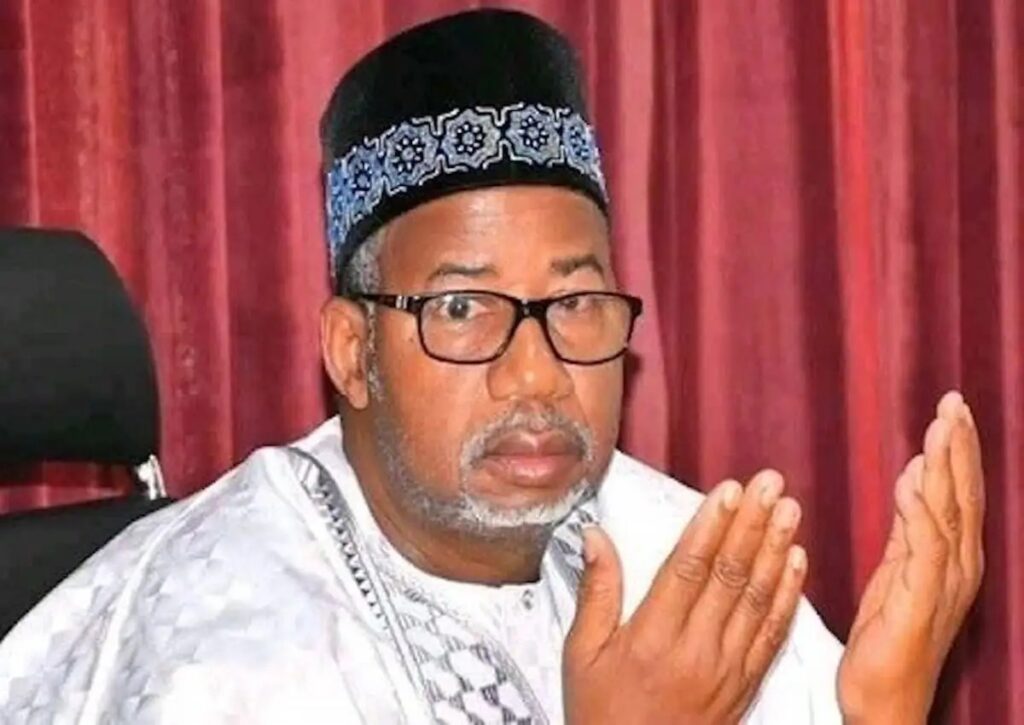
Bauchi State Governor Bala Mohammed has decided against defecting to the All Progressives Congress (APC) after negotiations between his camp and the ruling party broke down over a proposed power-sharing arrangement. This development follows a series of high-level meetings in which APC leaders, including National Chairman Nentawe Yilwatda and Kano State Governor Abba Yusuf, attempted to persuade Mohammed to leave the Peoples Democratic Party (PDP) for the APC. The discussions reportedly involved Vice President Kashim Shettima as well.
According to Sama’ila Burga, the Chairman of the PDP in Bauchi State, the APC leadership rejected a proposed 60–40 formula that would have allocated the majority of party positions to Mohammed’s faction, from the ward level up to the state executive. Burga noted that such arrangements have been standard in previous defections by governors to the APC in other states. “We have called for this press conference at the instance of His Excellency, the Governor, who is leading the discussions,” Burga informed reporters on Saturday. “After careful consideration, it became clear that the conditions collectively advanced for such a political realignment were not accepted by the APC leadership. In light of this, we want to announce that the discussions have not yielded a conclusive outcome and are hereby formally discontinued.”
Prior to this, the governor had been approached by the African Democratic Congress (ADC) and met with party officials in Bauchi the previous week. However, this overture seems to have been overshadowed by the APC’s intervention. Mohammed’s decision to remain with the PDP prevents a potential realignment that could have shifted the political balance in the North-East ahead of future electoral contests. This episode also highlights the significance of negotiated settlements in Nigeria’s dynamic party politics, where defections often depend on control over party machinery and access to state resources.


Comments are closed for this story.