
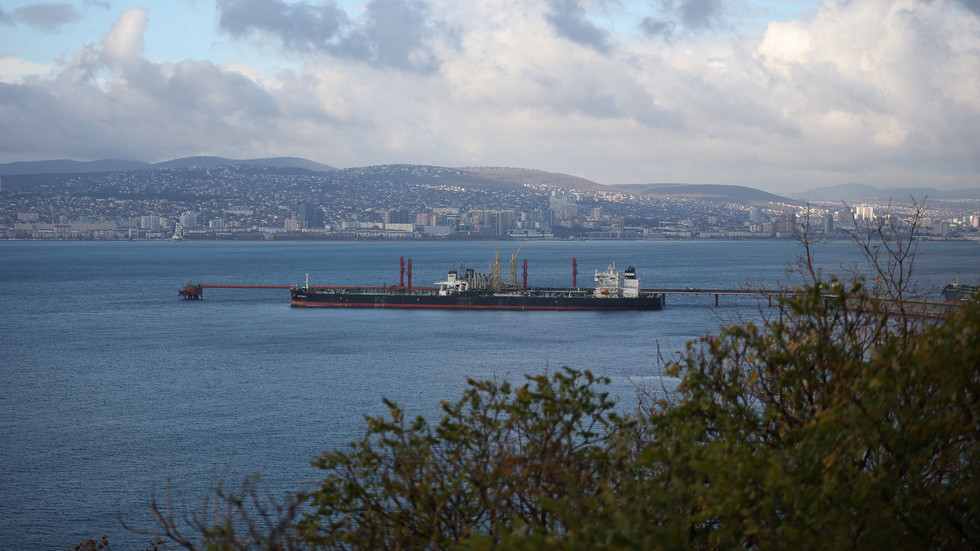
The US Treasury Department has renewed a sanctions exemption that allows Russian crude oil and petroleum products already loaded onto tankers to be delivered and sold without restrictions. This decision comes despite earlier statements indicating that the waiver would not be extended. On Friday, the Treasury’s Office of Foreign Assets Control issued a general license covering Russian oil loaded onto vessels as of April 17, authorizing related transactions through May 16. This new license replaces a previous 30-day order that took effect on March 19 and extends to services such as safe docking, crew safety, emergency repairs, and insurance, even for vessels that had previously been sanctioned under US measures.
The initial waiver, introduced in March, aimed to mitigate oil price volatility resulting from the Iran war and the de facto closure of the Strait of Hormuz. However, Treasury Secretary Scott Bessent had stated just two days prior that waivers on Russian and Iranian oil would not be extended. In response to the renewed exemption, Russian officials have downplayed its significance. Foreign Minister Sergey Lavrov described the waiver as meaningless, pointing out that tankers already at sea continued their journeys unaffected. He asserted, “Sanctions do not exist for us, as well as for our conscientious, respectable partners.”
Kremlin spokesman Dmitry Peskov emphasized Russia’s position as a reliable supplier of oil and gas, advocating for a peaceful resolution to the Middle East conflict while acknowledging the increased global demand for Russian energy. The exemption has faced criticism from European officials, with European Commission President Ursula von der Leyen stating that it is “not the time to relax sanctions against Russia.” Ukrainian President Vladimir Zelensky warned that this move could potentially provide Russia with an additional $10 billion in revenue to support its war efforts.
Amid these geopolitical tensions, Russia has experienced significant economic gains, with soaring oil prices generating an estimated $150 million in extra daily revenue. The renewed waiver ensures that shipments already loaded can reach their destinations without disruption, thereby maintaining supply chain stability and prolonging the flow of Russian energy exports to global markets.

Comments are closed for this story.