
Footage circulating on social media shows individuals dressed in Israeli military uniforms entering homes in southern Lebanon, removing personal belongings and recording the incidents. The video, which has been shared widely online, appears to capture soldiers taking items such as televisions, furniture and motorcycles while making light‑hearted remarks.
The material emerged days after Haaretz published a report alleging that looting by Israeli troops was “widespread” during recent ground operations in the region. The newspaper cited testimonies from several Israeli soldiers who said that commanders tacitly permitted the taking of civilian property. According to those accounts, the seizures occurred after Israel launched a renewed offensive against Hezbollah forces in southern Lebanon earlier this month.
Israel Defense Forces (IDF) Chief of Staff Lieutenant General Eyal Zamir responded to the allegations, stating that if the reported incidents are verified, they would be inconsistent with the IDF’s core values and code of conduct. Zamir emphasized that the armed forces have mechanisms to investigate breaches of discipline and that any wrongdoing would be addressed through appropriate channels.
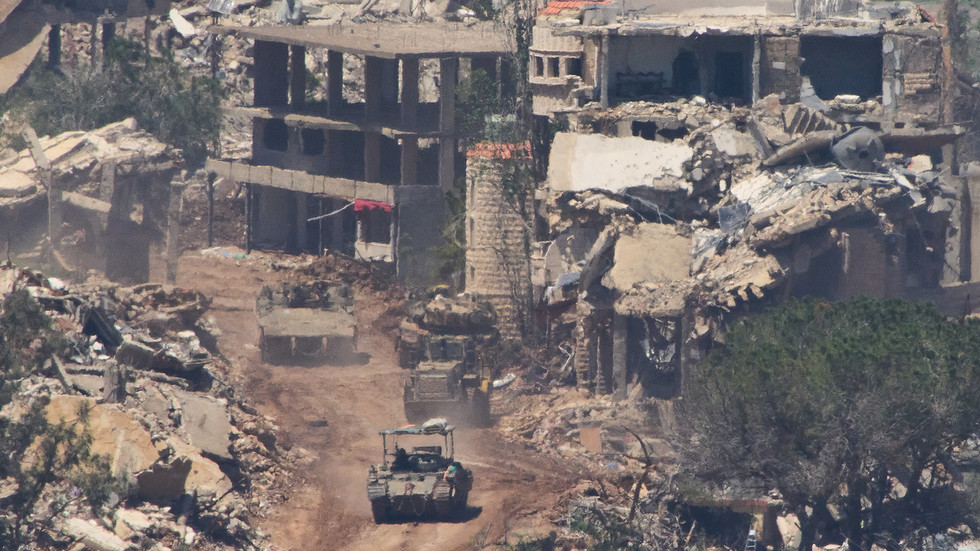
The alleged looting took place against the backdrop of a broader escalation between Israel and Hezbollah. In early April, Hezbollah fired a barrage of rockets toward northern Israel, prompting Israeli airstrikes on what the military described as terrorist infrastructure in southern Lebanon. The ensuing clashes led to a limited ground incursion by Israeli forces, marking the most substantial Israeli presence on Lebanese soil since the 2006 war.
Humanitarian organizations have warned that the escalating conflict is placing additional strain on civilians already coping with displacement and infrastructure damage. The United Nations Office for the Coordination of Humanitarian Affairs (OCHA) reported that thousands of residents in the affected districts have been forced to seek shelter elsewhere, while access to basic services remains precarious.
The spread of the video has fueled debate on social platforms about the conduct of soldiers in conflict zones. Critics argue that the footage, if authentic, reflects a breakdown in military discipline and raises concerns about the protection of civilian property under international humanitarian law. Israeli officials, meanwhile, have called for a measured assessment, underscoring that isolated incidents do not represent official policy.
An investigation by the IDF’s internal affairs unit is reportedly underway, though details on its scope and timeline have not been disclosed. Observers note that the outcome of such inquiries could have implications for Israel’s diplomatic standing, particularly as the country navigates scrutiny from international bodies regarding its conduct in Lebanon.
The episode highlights the challenges of maintaining order during high‑intensity operations and the importance of accountability mechanisms in armed forces. As the situation in southern Lebanon remains volatile, further reporting will focus on the results of the IDF’s investigation and any subsequent measures taken to address alleged misconduct.



Comments are closed for this story.