
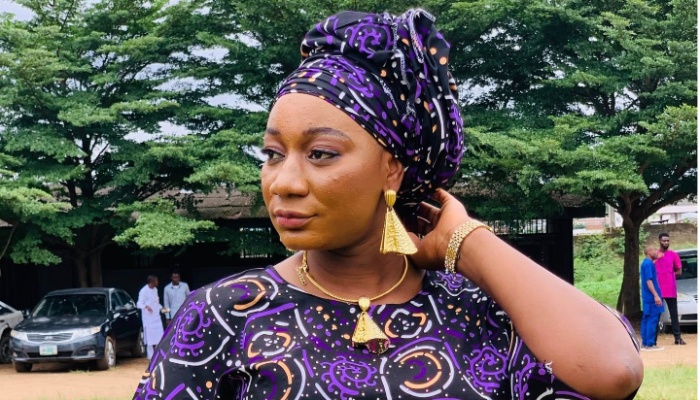
Oyo‑based herbalist and social‑media influencer Eniola Fagbemi, popularly known as “Sisi Alagbo,” issued a formal apology on Facebook on Wednesday after a private video of her was leaked and circulated online.
In a post addressed to her followers, Fagbemi acknowledged responsibility for the incident, stating, “I own my mistakes, and I apologise with all sincerity for the video circulating online. I am deeply sorry to everyone who felt disappointed in me.” The apology was posted shortly after the video, which showed the influencer in a compromising situation, was shared widely on social‑media platforms, prompting a swift backlash from fans and critics.
Fagbemi further explained that the public reaction has taken a serious emotional toll. “I am already passing through a lot. I can’t eat or sleep for days. Even sleeping medicines aren’t working for me any longer,” she wrote. The influencer called on the public for understanding, adding, “Please forgive me. I don’t want to injure myself. I only have a little strength left.”
The video’s release has heightened scrutiny of Fagbemi, whose online persona mixes traditional herbal remedies with lifestyle content. She gained prominence in 2022 when she began posting demonstrations of herbal treatments, branding herself as a modern practitioner of indigenous medicine. Her large following, estimated at over a million across Instagram, TikTok and Facebook, has made her a notable figure in Nigeria’s growing “herbal influencer” market.
Legal experts note that the distribution of the private video may constitute a breach of privacy under Nigeria’s Cybercrimes (Prohibition, Prevention and Mitigation) Act 2015. However, no formal police report has been confirmed as of this writing. Social‑media platforms have not yet removed the video, citing policy guidelines that allow content to remain unless a valid takedown request is filed.
The incident underscores the vulnerability of public personalities to non‑consensual content leaks and raises questions about the adequacy of existing online privacy protections in Nigeria. Observers suggest that the episode could prompt broader discussions among regulators, platforms and influencers regarding digital rights and mental‑health support for individuals facing online harassment.
Fagbemi has not indicated whether she will pursue legal action or seek further professional assistance for her reported health concerns. The situation remains under close watch by both her supporters and critics, with the potential to influence public discourse on privacy, mental health, and the responsibilities of social‑media personalities in the digital age.



Comments are closed for this story.