
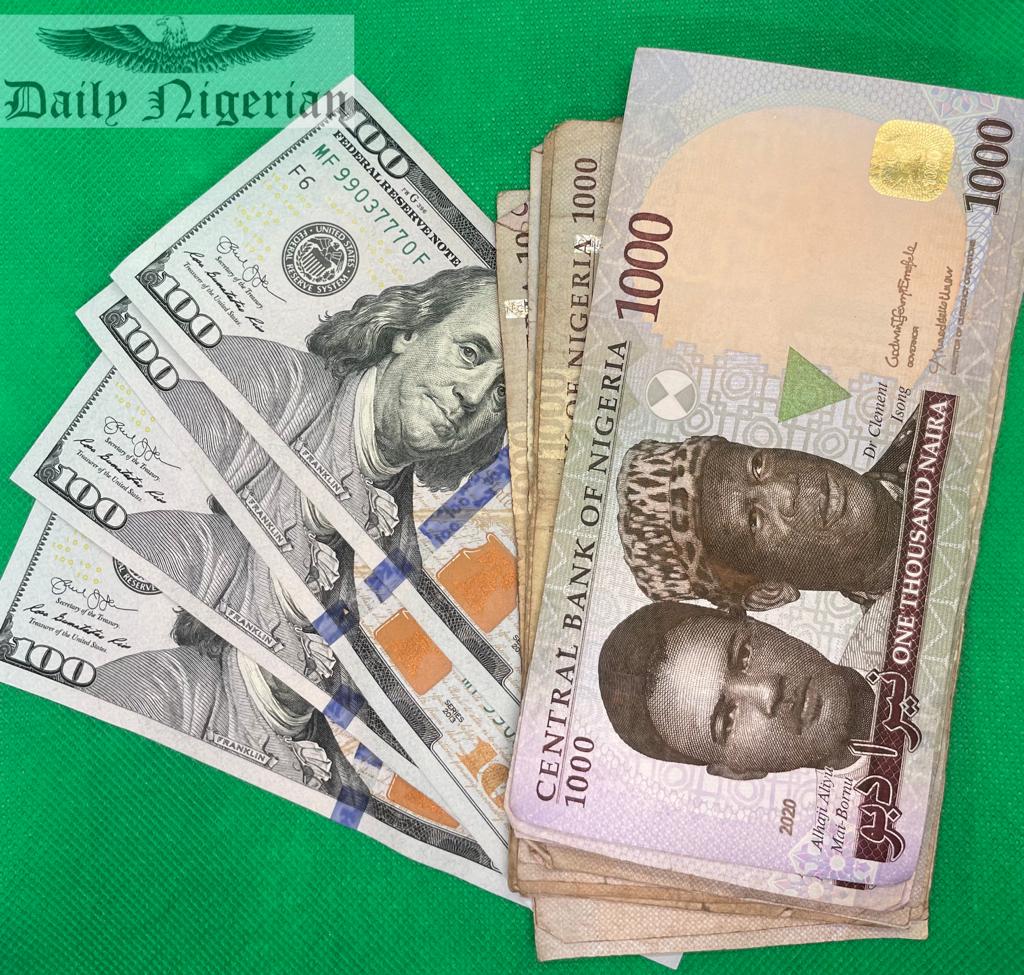
The Nigerian naira edged higher on Wednesday in the official market, closing at N1,379.46 per U.S. dollar, according to data posted on the Central Bank of Nigeria’s (CBN) website. The modest appreciation of N1.24 represents a 0.09 percent gain from Tuesday’s rate of N1,380.70.
The upward movement follows a period of decline that saw the naira slide for nearly two weeks. On Monday, the currency was quoted at N1,364.23 against the dollar, indicating a sharp reversal in market sentiment within a single trading session.
The CBN’s official exchange rates are used as reference points for a range of financial transactions, including government settlements, foreign‑exchange trading, and the pricing of imports and exports. While the day‑to‑day fluctuation is modest, the shift interrupts a broader trend of depreciation that has pressured the economy through higher import costs and inflationary pressures.
Analysts note that the naira’s recent behavior reflects a combination of factors, including adjustments in foreign‑exchange policy, changes in oil revenue inflows, and the Central Bank’s ongoing interventions in the market. The modest gain may also be linked to recent monetary‑policy measures aimed at stabilising the currency, such as tighter liquidity management and selective foreign‑exchange allocation to priority sectors.
International observers and investors closely monitor the naira’s performance, given Nigeria’s status as Africa’s largest economy and its reliance on oil exports for foreign‑exchange earnings. A stable or appreciating naira can improve investor confidence, lower the cost of debt servicing in foreign currency, and ease pressure on inflation. Conversely, prolonged weakness could exacerbate fiscal challenges and undermine growth prospects.
The latest rate, while a positive sign, remains well below the pre‑devaluation level of around N360 per dollar that prevailed before 2022. Market participants will be watching subsequent CBN releases for indications of whether the naira’s modest appreciation signals a sustained stabilization effort or a short‑term anomaly.
Further updates are expected as the Central Bank continues to publish daily official rates and as the government implements additional reforms aimed at strengthening Nigeria’s foreign‑exchange reserves and enhancing monetary stability.




Comments are closed for this story.