
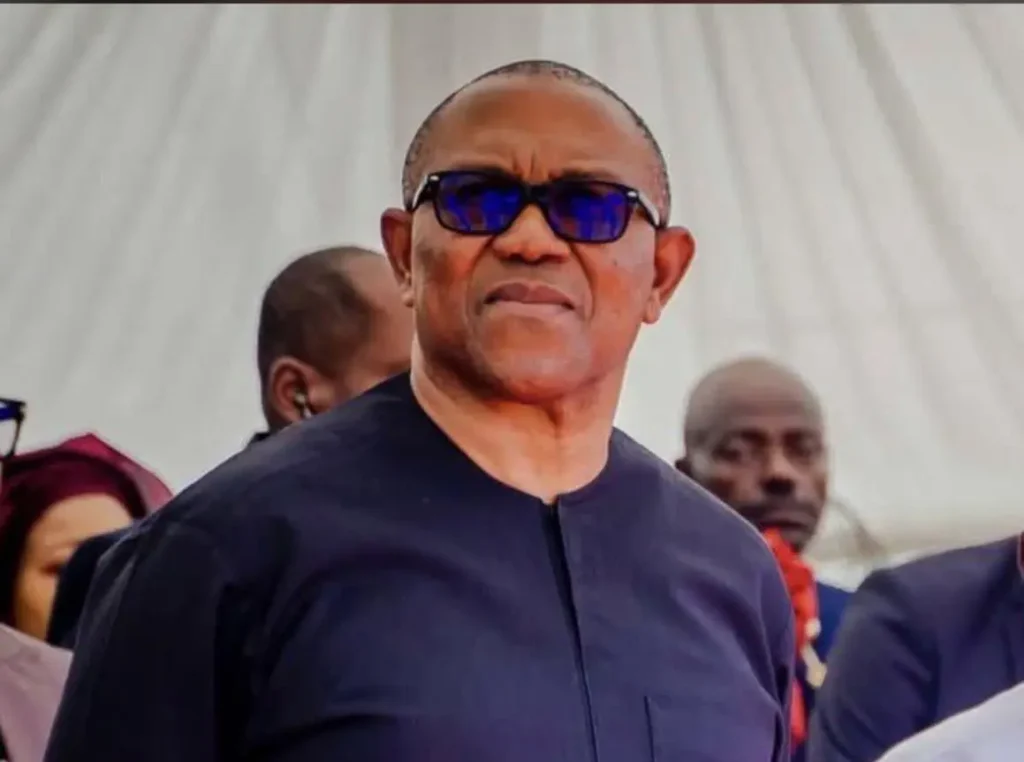
The presidency has rebuked comments made by Peter Obi, a chieftain of the African Democratic Congress (ADC), regarding President Bola Tinubu’s reliance on external borrowing.
In a series of posts on X, Obi likened the Tinubu administration’s borrowing to “leprosy” and “cancer,” arguing that loans taken for personal gain rather than for job creation or economic growth constitute a serious problem for Nigeria. “Mr President, borrowing money is not just a problem, but a serious issue when it’s done for personal use instead of helping create jobs and grow the economy, which is happening in Nigeria right now,” Obi wrote.
Responding to the remarks, Bayo Onanuga, the president’s official spokesperson, dismissed the comparison and defended the government’s borrowing strategy. Onanuga wrote, “Mr Peter Obi, you’re bringing up the same old arguments again with your sensationalist approach. What are you trying to say about borrowing? Every sovereign nation borrows money, and as President Tinubu correctly pointed out, borrowing is not a disease.” He added that the current loans are earmarked for critical infrastructure projects rather than “everyday things.”
Onanuga emphasized that the availability of external financing reflects confidence in Nigeria’s creditworthiness. “The fact that we are getting money and have lenders who are willing to lend shows that our country is trustworthy and able to pay back the money,” he said. He called on politicians to move beyond “basic thinking” and to address national challenges with “calm reasoning,” rather than reacting emotionally on social media or in public protests.
The exchange occurs amid ongoing debate over Nigeria’s fiscal policy. Since taking office in May 2023, President Tinubu’s administration has secured several foreign loans to fund projects in power generation, transportation, and other sectors essential for economic diversification. Critics have warned that rising debt levels could strain the nation’s finances, while supporters argue that strategic borrowing is necessary to rebuild infrastructure and stimulate growth after years of recession.
The presidency’s response underscores a broader government narrative that external borrowing is a standard tool for development, not a sign of mismanagement. By framing the loans as investments in infrastructure, officials seek to reassure both domestic audiences and international lenders about Nigeria’s fiscal discipline and repayment capacity.
Obi’s remarks have sparked discussion among opposition figures and civil‑society groups, who continue to monitor how borrowed funds are allocated and whether they translate into tangible improvements in living standards. The debate highlights the delicate balance faced by the Tinubu administration: securing sufficient financing to drive development while maintaining transparency and public confidence in the country’s debt strategy.

Comments are closed for this story.