
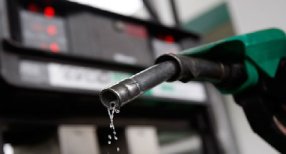
At a gas station in Los Angeles, Ryder Thomas watched the price of a full tank climb to $130 – about $30 more than before the United States and Israel began air strikes against Iran on 28 February. “I’m angry about the price, but I’m even angrier about why it’s so high,” the 28‑year‑old told AFP.
U.S. gasoline prices have risen to their highest level since early 2022, when Russia’s invasion of Ukraine triggered a global surge in oil costs. The recent hostilities in the Middle East have further tightened crude‑oil supply, pushing prices upward. The United States and Israel’s bombing campaign against Iran has disrupted the Strait of Hormuz, a narrow waterway through which roughly one‑fifth of the world’s oil and gas passes.
The conflict, launched by President Donald Trump, faces widespread public disapproval. Polls indicate a clear majority of Americans oppose the war, which many view as lacking a defined objective. Thomas compared the operation to the 2003 Iraq invasion, adding, “There was absolutely no need for this war. Trump is an idiot, that’s all it is.” Despite the United States’ military superiority, Iran has succeeded in limiting traffic through the strait, contributing to the price spike.
In California, gasoline now exceeds $6 per gallon ($1.59 per litre), up from approximately $4.50 before the conflict. Higher fuel costs are expected to raise prices for food, clothing and other everyday goods, a concern voiced by Thomas and other motorists. “I hope the middle‑of‑the‑road voters who got Trump elected start thinking about it and realize what he’s done to them,” he said.
Other drivers at the station expressed similar frustration. David Chavez, a Trump supporter waiting to refuel his minivan at a Costco bulk‑fuel outlet, acknowledged the difficulty of the price increase but cautioned against attributing all blame to a single individual. Chavez, who previously voted Democratic, said he switched to Trump over immigration and economic concerns, yet admitted disappointment with the president’s handling of the crisis.
Among the line was 73‑year‑old Flo, who declined to give her full name. She said rising fuel costs have forced her to rely more heavily on a food bank and to cut back on driving. Earning roughly $3,000 a month from a pension and part‑time work, she spends nearly half of her income on rent and now finds daily life “just harder.”
The surge in gasoline prices underscores how geopolitical tensions can quickly affect domestic economies, particularly in regions dependent on imported fuel. As the United States and its allies continue military operations in Iran, analysts warn that prolonged disruptions to oil flow through the Strait of Hormuz could keep energy costs elevated, exerting pressure on consumers and broader inflation trends.



Comments are closed for this story.