
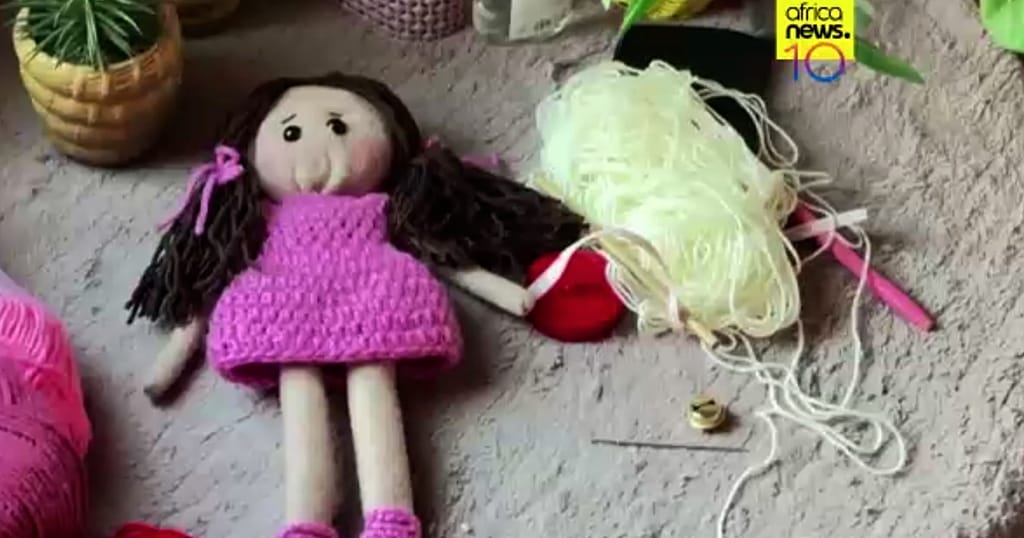
Shireen al‑Kurdi, a 36‑year‑old Arabic language teacher in Gaza, has begun hand‑crafting dolls to replace the toys that have vanished from the market due to years of blockade and conflict. The initiative, which started as a way to keep her own five children entertained, quickly grew into a small business supplying handmade dolls to other families whose children have lost their playthings amid the destruction.
Al‑Kurdi explained that the idea emerged after three years of strict restrictions that halted the import of conventional toys. “When toys stopped arriving, I decided to make dolls for my children so they could play,” she said. “The dolls soon became popular, and I expanded the effort to reach other families.”
The dolls have become a rare source of joy for children living in a landscape scarred by repeated displacement and demolition. Many families have returned to homes that have been reduced to rubble, with personal belongings—including toys—left buried under debris. “After three years of war, the children have no toys. Their toys were buried under the rubble of their homes,” Al‑Kurdi noted. “Dolls have become a lifeline, bringing smiles to their faces.”
The informal enterprise highlights the broader impact of the ongoing siege on everyday life in Gaza. Since the 2023 blockade, the United Nations Relief and Works Agency (UNRWA) and other aid organisations have reported significant shortages of basic goods, from food and medicine to school supplies. The lack of commercial imports has forced residents to improvise, while the humanitarian sector struggles with escalating logistical costs.
In a related development, the United Nations High Commissioner for Refugees (UNHCR) warned that freight charges for aid shipments to the Middle East and Africa have risen sharply. The agency attributed an 18 percent increase in shipping expenses to the closure of the Strait of Hormuz and severe congestion at regional ports, which have forced cargo to be rerouted and delayed. Higher transport costs threaten to reduce the volume of assistance that can reach vulnerable populations, including those in Gaza.
Al‑Kurdi’s doll‑making project underscores both the resilience of Gazan families and the growing challenges faced by humanitarian actors. As the blockade persists and logistical hurdles mount, community‑driven solutions like this may play an increasingly important role in meeting basic psychosocial needs while formal aid mechanisms adjust to the evolving environment.




Comments are closed for this story.