
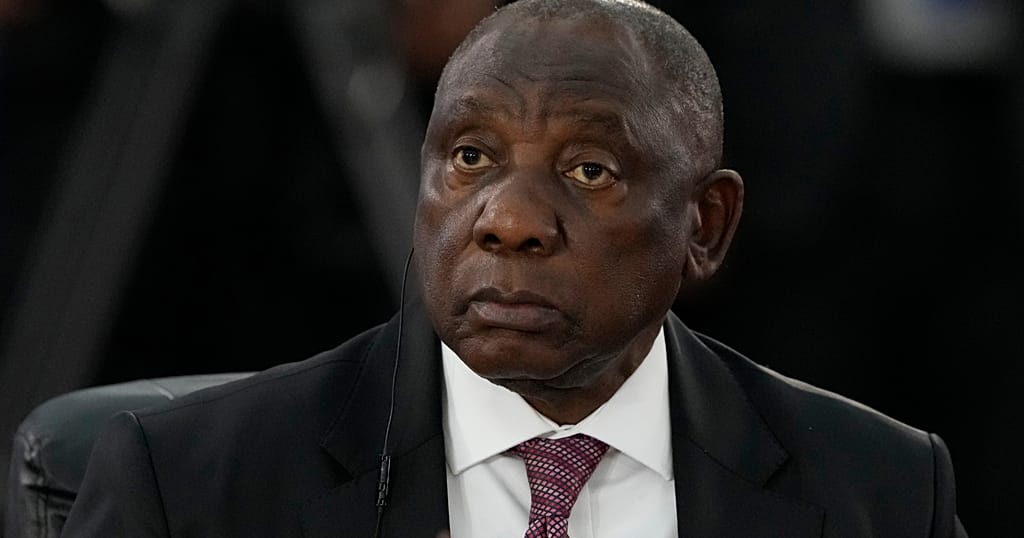
South Africa rejected accusations of xenophobia on Wednesday, arguing that the unrest is driven by isolated protests over undocumented migrants rather than a nationwide attitude, and urging African governments to tackle the root causes of migration.
Presidential spokesperson Vincent Magwenya told reporters that “South Africans are not xenophobic. What you have is pockets of protest, which is permissible within our constitutional framework.” He added that labeling the country “xenophobic” is a “lazy” analysis that unfairly tarnishes its reputation.
The remarks came after a series of anti‑immigrant demonstrations across the country, including a recent march in Durban that drew several hundred participants demanding stricter enforcement against undocumented migrants operating small businesses. Earlier protests had also called for the exclusion of undocumented foreigners from South African clinics and hospitals.
In a bilateral meeting on Tuesday, South African President Cyril Ramaphosa and Mozambique President Daniel Chapo discussed the need for a coordinated African response to the drivers of migration. According to the South African spokesperson, “the continent needs to work together to address the issues that are behind these levels of migration,” citing conflict, political instability and poor governance as factors that push people to seek refuge in more stable economies such as South Africa.
Nigeria and Ghana have voiced concern over the anti‑immigrant sentiment. Nigeria announced emergency repatriation flights for its citizens in South Africa and warned Pretoria that it is not doing enough to curb threats and harassment. Ghana summoned the South African ambassador in late April after a string of incidents that the Ghanaian government described as xenophobic.
Magwenya emphasized that constructive dialogue is required to address the underlying causes of migration, urging willingness “to engage on what are these issues and factors behind peoples seeking to leave their countries of birth and seeking refuge elsewhere.”
The dispute highlights the tension between South Africa’s need to manage undocumented migration and the broader regional imperative to improve governance and stability across the continent. How Pretoria responds to the diplomatic pressure from neighbouring states and whether it can balance security concerns with human‑rights obligations will shape the trajectory of migration debates in southern Africa in the coming months.



Comments are closed for this story.