
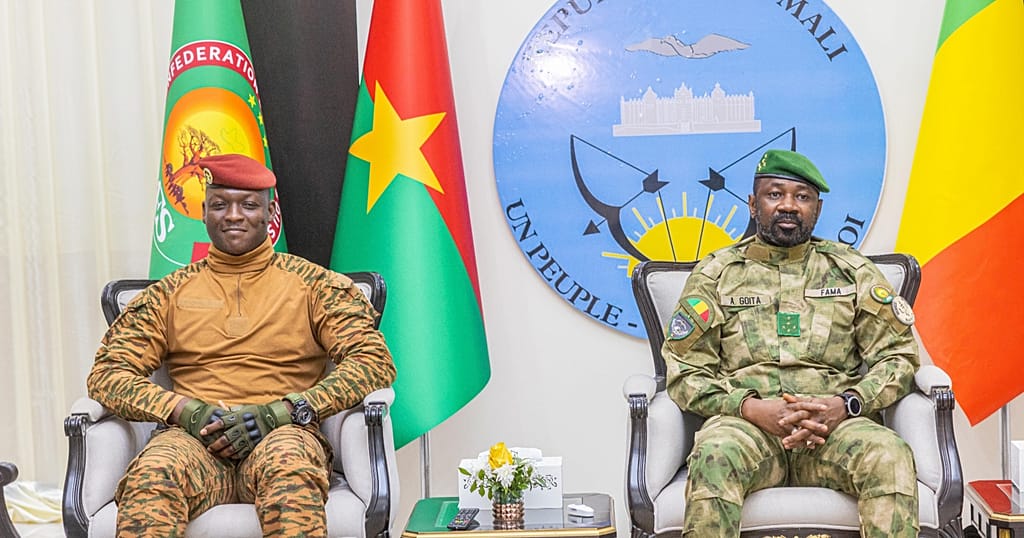
Last month’s coordinated attacks on Mali, which targeted the ruling junta’s leader Assimi Goïta, were condemned by the armed forces on Wednesday. In a press briefing, an army spokesperson described the operation as a “destabilisation effort” carried out by insurgents who deployed two suicide‑car bombs aimed at senior officials. Deputy Director of Public Relations for the Armed Forces, Commander Djibrila Maiga, told reporters that the plan was “sinister and meticulously orchestrated” with the intent to assassinate senior leaders, including a second vehicle that was intended for the residence of Head of State and Supreme Commander of the Armed Forces, General Assimi Goïta.
The attacks underscore the volatile security situation in the Sahel, where jihadist groups continue to exploit weak state structures. Since the 2020 coup that brought the military junta to power, Mali has faced multiple high‑profile bombings and ambushes targeting government and military figures. The latest incident follows a series of assaults in the northern regions that have strained the capacity of the Malian army and heightened concerns among regional partners.
In neighboring Burkina Faso, a country allied with Mali and a member of the Alliance of Sahel States, the fallout from the attacks has taken a media‑related turn. The High Council for Communication announced a ban on French television channel TV5 Monde, accusing it of disseminating disinformation and glorifying terrorism in its coverage of events in both Burkina Faso and Mali. The decision follows previous suspensions of TV5 Monde and other international outlets in 2024 after they aired reports on alleged human‑rights violations by the Burkinabe army.
Local officials and media professionals expressed support for the ban. Tour guide Flore Guigma said the broadcasts “encourage terrorism and discourage our soldiers who are fighting for peace.” Communications specialist Serge Théophile Bancé added that he no longer watches the channel, citing a perceived condescension in its reporting and a lack of contextual awareness.
The media restriction reflects broader tensions between governments in the Sahel and foreign news organisations, which often face accusations of bias or insufficient understanding of local dynamics. Human Rights Watch has documented repeated allegations of abuses by security forces in the region, further complicating the relationship between state authorities and the press.
The Malian junta’s response to the attacks and Burkina Faso’s media ban highlight the intertwined challenges of security and information management in the Sahel. As the Alliance of Sahel States continues to coordinate joint operations, the balance between operational secrecy and transparent reporting remains a critical issue for regional stability and international scrutiny.

Comments are closed for this story.