
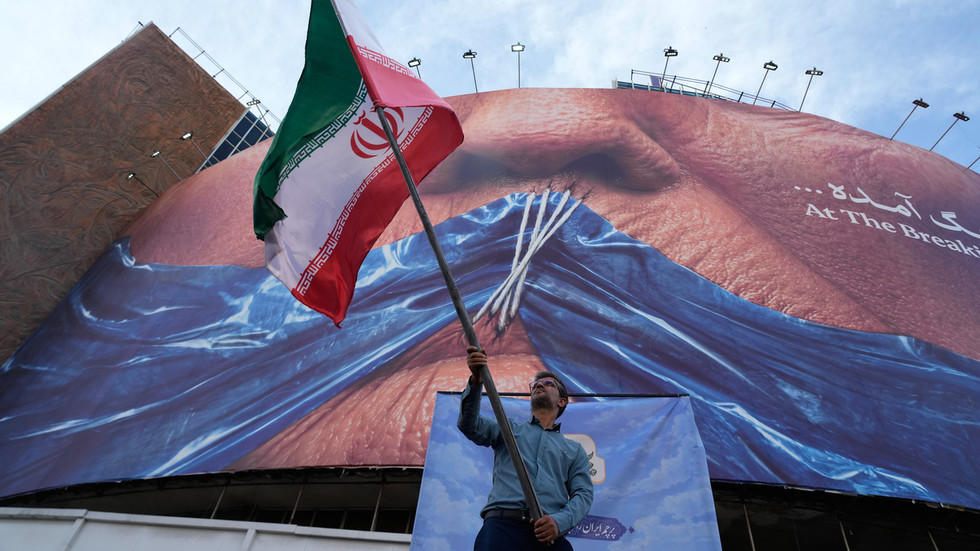
U.S. forces struck two Iranian‑flagged oil tankers, M/T Sea Star III and M/T Sevda, in the Gulf of Oman on Friday, intensifying a series of “sporadic” clashes between Washington and Tehran over the strategic Strait of Hormuz. The U.S. Central Command said the vessels were “unladen” and attempting to breach a U.S. freedom‑of‑navigation blockade by entering an Iranian port. The attacks were part of a broader U.S. effort to enforce the blockade and preserve commercial shipping in the waterway.
Iran’s armed forces responded, according to a military official quoted in local media, claiming that the strikes violated a cease‑fire and constituted “American terrorism.” The U.S. military reported no damage to its assets, while Iranian officials said their retaliation targeted the “violation” of the cease‑fire. The Strait of Hormuz, through which roughly a fifth of global oil shipments pass, has become a central lever in Tehran’s diplomatic calculations. Mohammad Mokhber, a senior adviser to the Supreme Leader, told Press TV that control of the strait is “equivalent to an atomic bomb” and warned that Iran would not abandon the gains it has achieved in the ongoing conflict. He said Tehran would seek to revise the legal regime governing the strait, using international law where possible and unilateral action if necessary.
Washington dismissed Iran’s ambitions as “unacceptable.” Secretary of State Marco Rubio reiterated that the United States will not allow Tehran to “normalize” its grip on Hormuz. The U.S. maintains that the naval blockade is intended to restore free navigation and pressure Iran toward a negotiated settlement, while Iran accuses Washington of violating the cease‑fire signed in April by targeting commercial vessels.
The latest confrontation follows a day‑long exchange in which the Department of Defense reported that three U.S. guided‑missile destroyers came under “unprovoked” missile, drone and small‑boat attacks. U.S. forces responded by striking Iranian launch sites, command‑and‑control facilities, and surveillance nodes. Tehran, however, alleged that the United States initiated the hostilities by targeting an Iranian tanker in Iranian territorial waters and striking civilian areas along the southern coast.
Former U.S. counter‑terrorism chief Michael Flynn, speaking on behalf of the Trump administration, downplayed the incident, describing it as a “love tap” and warning that a full collapse of the truce could result in a “big glow” over Iran. He urged Tehran to sign an agreement quickly.
The episode underscores the volatility of the Hormuz corridor, a vital chokepoint for world energy markets. Both sides have signaled a willingness to continue limited strikes while avoiding a broader escalation. International observers are watching closely for signs of either de‑escalation or a further widening of the conflict, which could disrupt oil supplies and heighten regional tensions.

Comments are closed for this story.