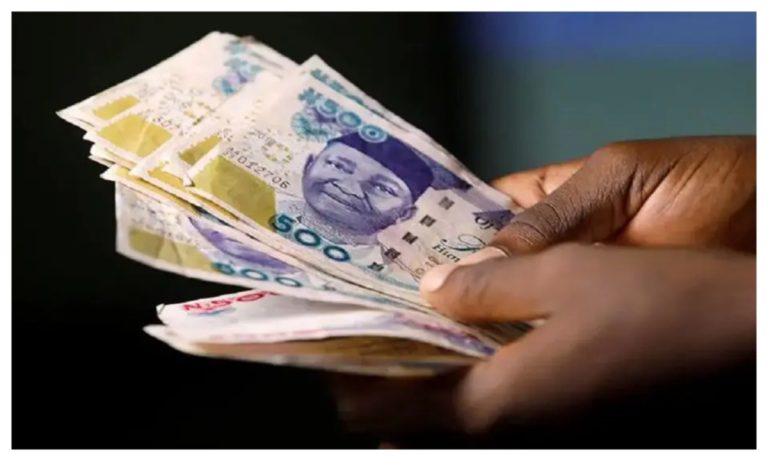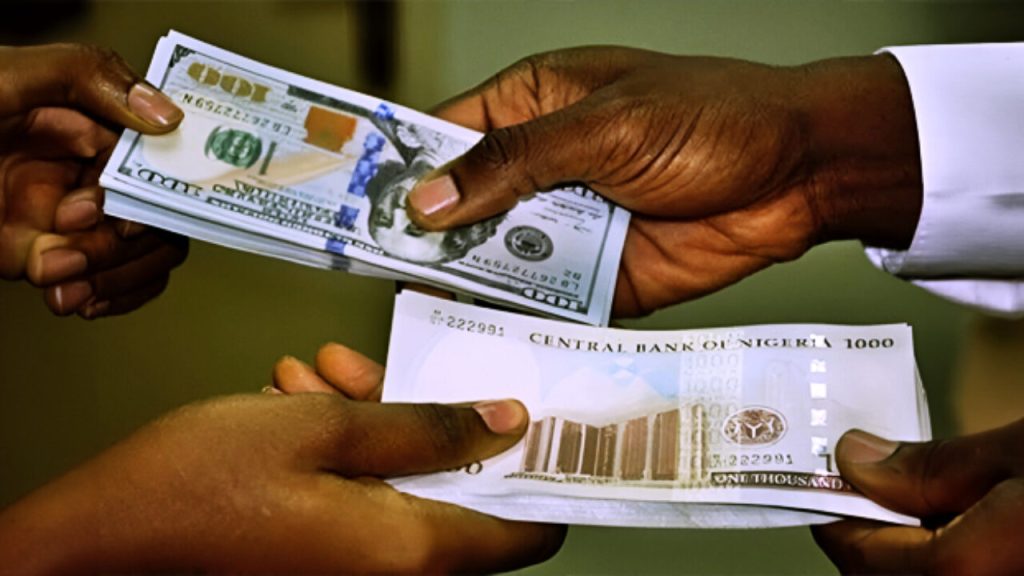
The naira edged higher against the U.S. dollar on Thursday, May 7, 2026, in both the Central Bank of Nigeria’s official foreign‑exchange window and the parallel black‑market segment. According to the Central Bank of Nigeria (CBN), the official rate moved to N1,355.85 per dollar, improving by N1.49 from the N1,357.34 recorded on Wednesday—a modest gain of roughly 0.11 %. In the unofficial market, the rate slipped to N1,393 per dollar, down N3 from the previous day’s N1,395, indicating a similar, albeit slightly larger, strengthening.
The movement follows Wednesday’s notable official‑market rally, which saw the naira climb sharply while the black‑market price remained steady. These latest shifts suggest a continued, though limited, upward trend for the currency across both trading channels.
The appreciation comes as Nigeria’s external reserves contracted marginally. CBN data released on May 6 showed reserves at $48.32 billion, a decrease of $10 million from the $48.33 billion reported the day before. The decline highlights ongoing pressure on the country’s foreign‑exchange assets amid sustained import demand and fiscal challenges.
Nigeria has maintained a tightly managed foreign‑exchange regime since 2023, with the CBN intervening to stabilize the naira and curb dollar shortages. The modest gains observed this week may reflect the central bank’s recent policy adjustments, including tighter monetary conditions and renewed efforts to limit parallel‑market activities.
Analysts note that while short‑term fluctuations are modest, the broader trajectory of the naira remains linked to external factors such as global oil prices, which dominate Nigeria’s export earnings, and the pace of foreign‑direct investment. Continued resilience in the official market could help restore confidence among importers and investors, but the persistent contraction of reserves underscores the need for sustained macro‑economic reforms. The latest data will be closely watched by market participants and policymakers alike as they assess the effectiveness of recent measures and consider further steps to safeguard Nigeria’s foreign‑exchange position.