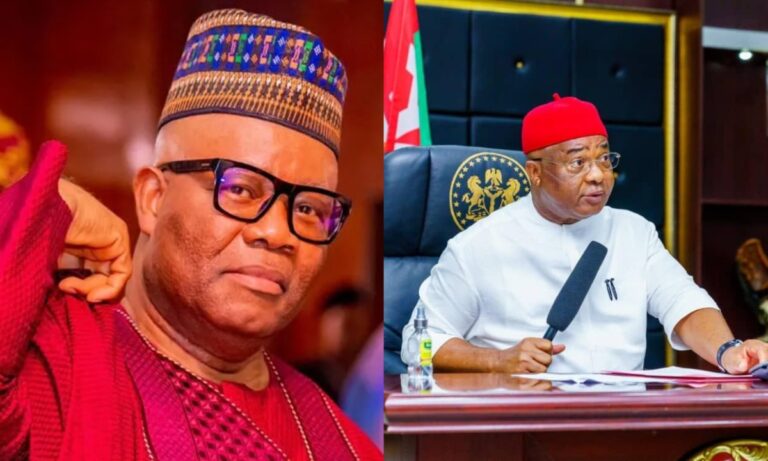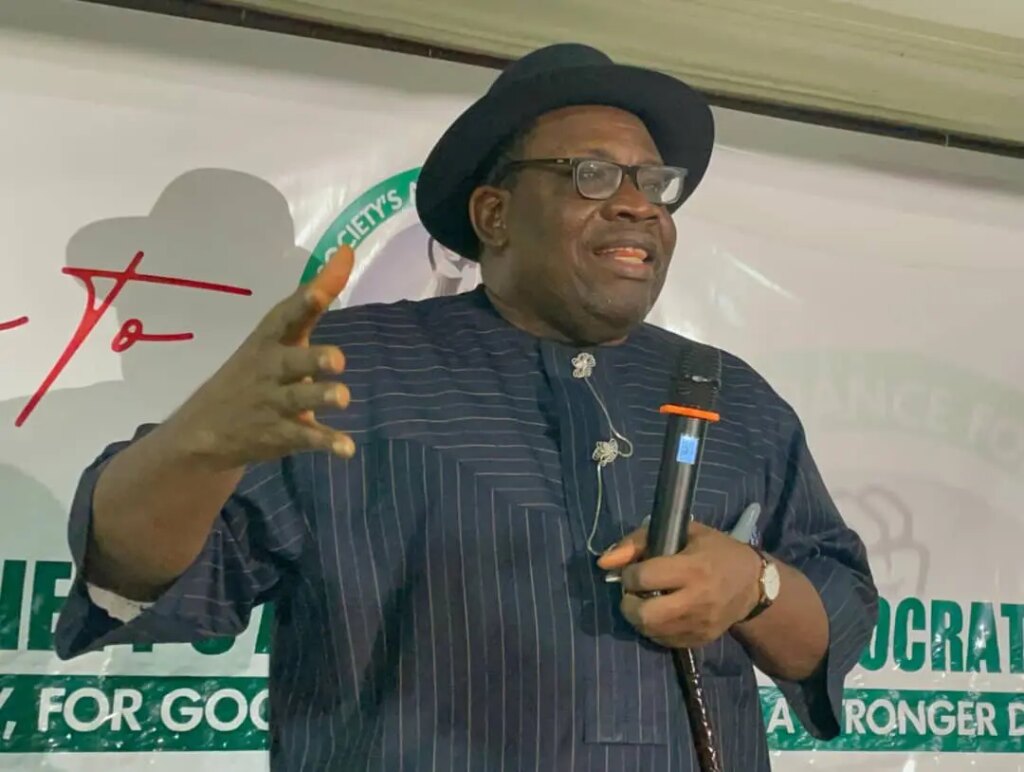
Abuja – At the National Democratic Congress (NDC) first national convention on Saturday, party leader Seriake Dickson affirmed that the NDC remains free of internal factions and legal disputes, stressing its unity ahead of the 2027 general elections. Dickson told delegates that no lawsuits or appeals are pending against the party and that no splinter groups exist within its ranks. “There is currently no legal case or appeal involving the NDC. There are no groups fighting each other, and every member is free to contest any leadership position for the 2027 election without restriction,” he said. He added that any attempts to limit participation would contravene the constitutional right to freedom of association.
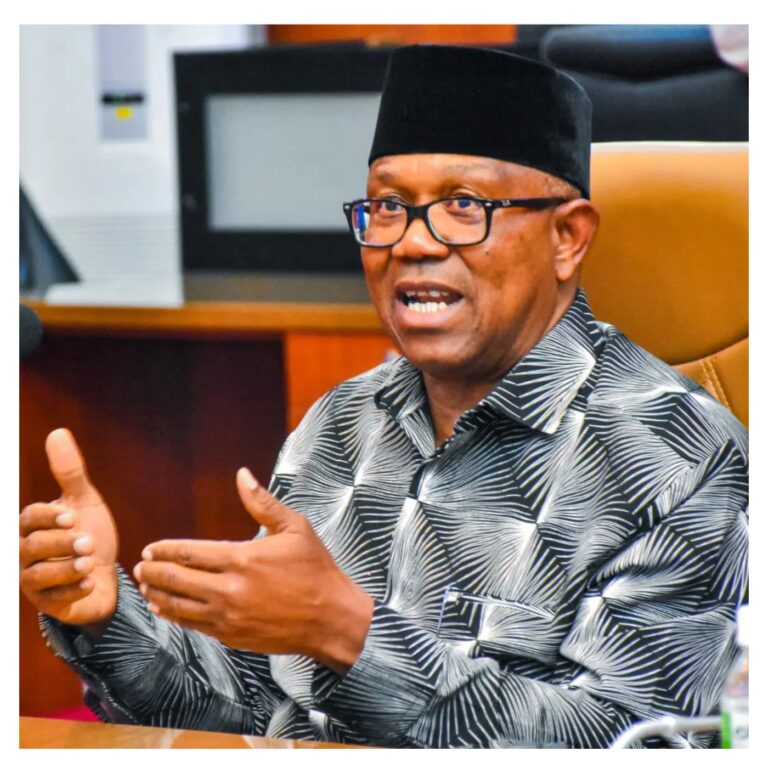
The remarks came as former presidential hopefuls Peter Obi and Rabiu Kwankwaso announced their affiliation with the NDC. Both men, who previously contested the 2023 presidential race under different platforms, are expected to vie for the party’s ticket and running‑mate positions for the 2027 election. Their entry follows a period of speculation about possible realignments among Nigeria’s opposition forces.
In a related development, the NDC confirmed that its presidential ticket will be zoned to Southern Nigeria for the 2027 poll, continuing the party’s practice of regional balancing to reflect the country’s diverse electorate. The zoning decision aligns with the party’s broader strategy to consolidate support in the south while maintaining a national outlook.
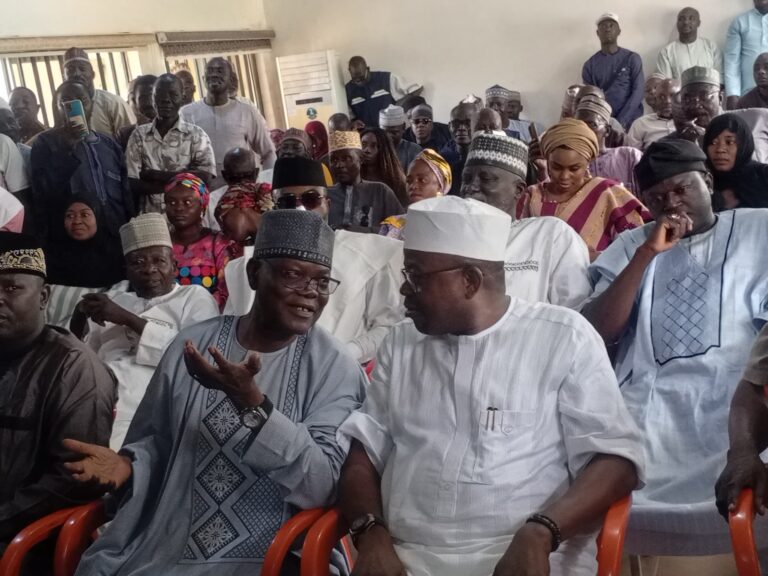
The convention, attended by senior party officials, state chairpersons and prospective candidates, marked the NDC’s first major gathering since its formation. Delegates approved the party’s constitution, elected a new executive committee, and adopted a manifesto that emphasizes anti‑corruption measures, economic diversification and infrastructure development.
Analysts note that the NDC’s emphasis on internal cohesion contrasts with the frequent factionalism observed in other Nigerian parties, where legal battles and splinter groups often undermine electoral prospects. By presenting a united front, the NDC aims to position itself as a credible alternative to the ruling All Progressives Congress (APC) and the dominant opposition People’s Democratic Party (PDP).
The party’s next steps include finalizing its presidential and vice‑presidential candidates, expanding its grassroots network across the southern states, and launching a nationwide campaign ahead of the 2027 elections. Observers will watch how the inclusion of high‑profile figures like Obi and Kwankwaso influences the NDC’s electoral calculus and whether the party can sustain its claim of unity through the campaign period.