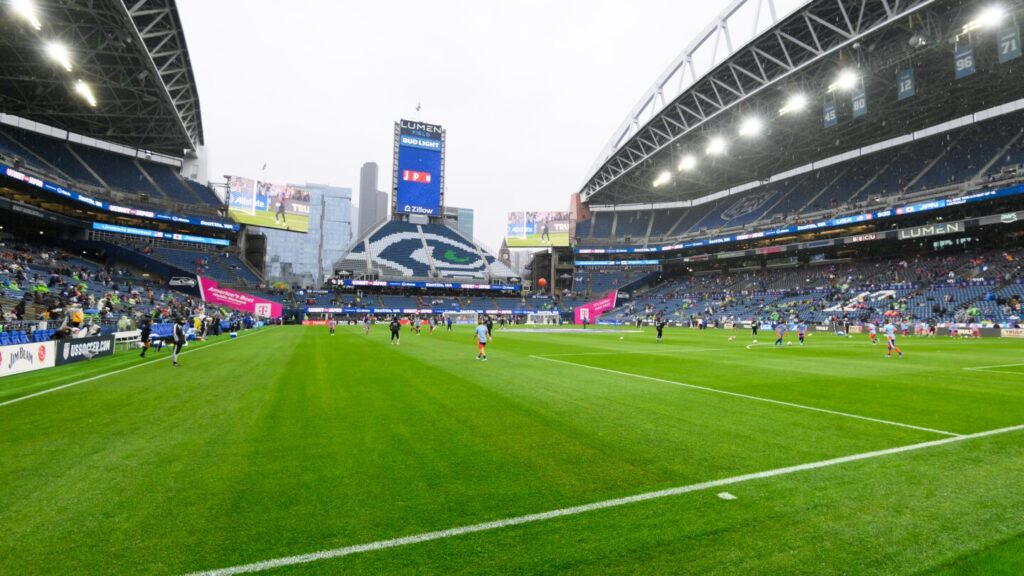
The National Football League (NFL) is preparing to install new natural grass surfaces in its 32 stadiums in anticipation of the 2026 FIFA World Cup. This decision has reignited the ongoing debate between NFL players and team owners regarding preferences for playing surfaces. While the installation of grass is necessary to comply with FIFA’s requirements for the tournament, the National Football League Players Association (NFLPA) emphasizes that this temporary change underscores a more significant issue: most NFL venues are expected to revert to artificial turf once the World Cup concludes. Despite the league’s assertion that injury rates on grass and turf are comparable, the NFLPA argues that players have long advocated for safer, high-quality grass fields at their workplaces.
The NFLPA contends that grass fields provide better protection against the cumulative wear and tear of weekly games, ultimately supporting athletes’ long-term health and performance. This perspective aligns with reports indicating that owners of 11 stadiums hosting World Cup matches are installing high-grade natural grass to meet FIFA’s standards, leaving little room for negotiation. While league officials maintain that the risk of injury is statistically similar on both surfaces, players continue to express a strong preference for grass. Grass absorbs impact forces, thereby reducing stress on joints and bones, whereas artificial turf tends to return more of that force to the player, a difference many athletes notice in post-game soreness.
The NFLPA argues that the league’s data fails to capture the qualitative benefits that grass offers in terms of player safety and comfort. However, stadium owners face a financial dilemma, as installing and maintaining natural grass is generally more expensive and labor-intensive than maintaining synthetic turf, which can be quickly reconfigured for concerts and other revenue-generating events. The decision to install temporary grass for the World Cup was driven by FIFA’s non-negotiable requirements rather than the owners’ preferences. After the tournament, most venues are expected to switch back to turf for the NFL season, a move that the NFLPA claims disregards player welfare.
This issue is now entering the collective bargaining arena, with the NFLPA likely to advocate for a permanent shift toward grass in future agreements. However, owners may resist such changes without concessions in other areas. A notable exception is the Buffalo Bills’ new Highmark Stadium, which will feature a permanent grass field, reflecting the franchise’s commitment to prioritizing player health over short-term cost savings. Nevertheless, such instances are rare, and the broader league remains divided on the issue.
Analysts suggest that progress on this front will depend on the balance of bargaining power in upcoming negotiations. If owners remain steadfast in their preference for artificial turf, the NFLPA may need to make compromises on other contract elements to secure more grass installations. Conversely, increasing awareness of player health concerns could pressure owners to consider longer-term investments in natural surfaces, especially as the league aims to enhance its image internationally and attract a broader fan base, including audiences in Africa who are becoming increasingly engaged with both American football and global soccer.
The 2026 World Cup, set to begin in June, will mark the first occasion that such a significant number of NFL venues host a major soccer tournament. How the league and its players navigate the transition following the World Cup could have lasting implications for field-surface policy, influencing player safety, stadium economics, and the NFL’s relationships with its global partners for years to come.