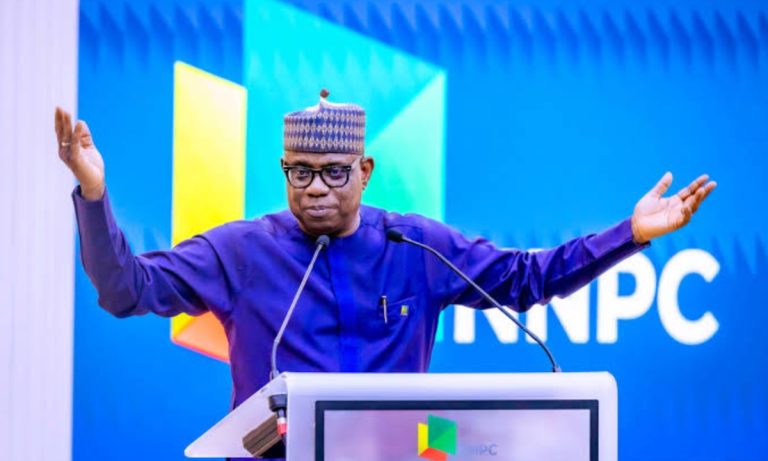
President Bola Ahmed Tinubu announced that Nigeria is on track to draw close to $20 billion in foreign direct investment (FDI) by 2026, citing a series of economic and transparency reforms introduced since his administration took office. The projection, presented during a national investment forum, reflects the government’s effort to reposition the country as a stable, growth‑oriented destination for international capital.
The president highlighted recent policy changes aimed at improving the business environment, including the implementation of the Companies and Allied Matters Act (CAMA) 2020, the introduction of a new fiscal code, and the rollout of a unified business registration platform. Together, these measures are intended to cut bureaucratic delays, enhance regulatory predictability and strengthen anti‑corruption safeguards. Tin Tinubu noted that a clearer legal framework and greater fiscal transparency have already begun to shift investor sentiment, with several multinational firms expressing interest in sectors such as manufacturing, renewable energy, agro‑processing and information technology.
Among the concrete milestones cited was the establishment of the Nigeria Investment Promotion Council (NIPC) as the central point of contact for prospective investors. The council has reportedly streamlined approval timelines for large‑scale projects and is coordinating with state governments to ensure alignment of incentives with national priorities. In parallel, the Treasury has introduced a series of tax incentives, including reduced corporate tax rates for projects meeting local content and job‑creation thresholds, and a phased removal of export duties on selected commodities.
Tinubu also underscored Nigeria’s commitment to fiscal discipline, noting that the 2023 budget achieved a 3.5 percent primary deficit, a figure he described as “a credible step toward macro‑economic stability.” The administration’s partnership with the International Monetary Fund (IMF) to implement structural reforms—ranging from public‑sector wage rationalisation to the redesign of the electricity tariff model—has been positioned as a confidence‑building exercise for foreign investors.
Analysts at the Centre for the Study of the Economies of Africa (CSEA) concur that the combination of policy clarity and fiscal prudence can generate a more favourable risk‑adjusted return profile for investors. However, they caution that infrastructure bottlenecks, especially in power supply and logistics, remain critical constraints. The same observers point to the need for sustained enforcement of anti‑money‑laundering regulations to protect the investment climate from reputational risk.
The projected $20 billion figure represents an increase of roughly 40 percent over the cumulative FDI inflows recorded in the three years preceding the current administration. If realised, the influx could bolster Nigeria’s sovereign credit outlook, support job creation, and stimulate technology transfer across key growth sectors. The president indicated that the next phase of the strategy will focus on deepening public‑private partnerships, expanding the digital economy, and accelerating the development of special economic zones in under‑utilised regions.
Looking ahead, the government plans to convene a series of roadshows in Europe, the United States and Asia to showcase investment opportunities and to negotiate bilateral agreements that lock in long‑term capital commitments. Observers suggest that the success of these engagements will hinge on the administration’s ability to maintain policy continuity beyond election cycles and to deliver on promised reforms without delay.
Nigeria’s drive to capture $20 billion in FDI by 2026 signals a broader ambition to transition from an economy reliant on oil revenues to a diversified, industrially robust system. The outcome will depend on the effective implementation of reforms, the mitigation of infrastructural deficits, and the sustained confidence of the international investment community.