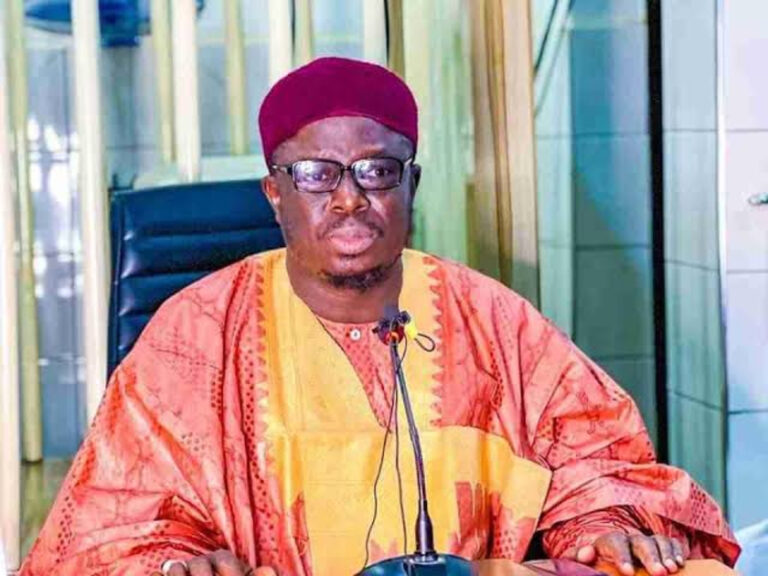
Monrovia – Justice Minister Oswald Tweh defended the government’s handling of the high‑profile economic sabotage case involving former Finance Minister Samuel D. Tweah and several ex‑officials, urging Liberians to remain patient as anti‑corruption efforts progress.
Speaking to reporters at the Ministry of Justice on May 13, Tweh said the fight against corruption “is not a sprint; it is a marathon,” and called for “patience, resilience and enduring faith in our institutions.” He emphasized that prosecutions must be based on solid evidence rather than political considerations.
His remarks came after vocal criticism from members of the ruling Unity Party. Party activist Charles Roberts accused the minister of abandoning the case, arguing that as Attorney General the Justice Minister should have acted as the senior supervisor of the prosecution. “A Tweh could not ensure a Tweah goes to jail; this guy doesn’t care and doesn’t deserve the position,” Roberts said.
The criticism was echoed by Togar Melvin Cephas, a leader of the party’s National Youth Congress, who claimed the minister was “indifferent to the moral and political weight” of the party’s anti‑corruption pledge. Cephas called on President George Weah to replace Tweh, alleging that the minister was protecting friends and enriching himself.
In response, Tweh reiterated the administration’s commitment to accountability. “We are building a new jurisprudence of prosecution that pursues cases based on evidence, not on politics, which will eventually earn the trust of the Liberian people,” he said. He urged Liberians, especially supporters of the Unity Party, to back the country’s legal institutions.
The minister pointed to the recent verdict as evidence that Liberia’s courts can handle complex, high‑profile cases. “Some aspects of the verdict may disappoint us, but the bigger picture is clear: former powerful officials are not beyond the reach of the law,” Tweh asserted. He added that the case demonstrated that classified security operations cannot be used to hide alleged misuse of public funds, noting that the Ministry of Justice and the Liberia Anti‑Corruption Commission had successfully resisted arguments that former officials were untouchable.
The Justice Ministry’s stance reflects a broader effort to strengthen judicial independence and restore public confidence in Liberia’s anti‑corruption framework. Observers note that the outcome of the case could set a precedent for future prosecutions involving senior officials.
The government has not indicated any immediate changes to its anti‑corruption strategy. The Justice Ministry said it will continue to pursue cases that meet evidentiary standards, while urging the public to allow due process to run its course.