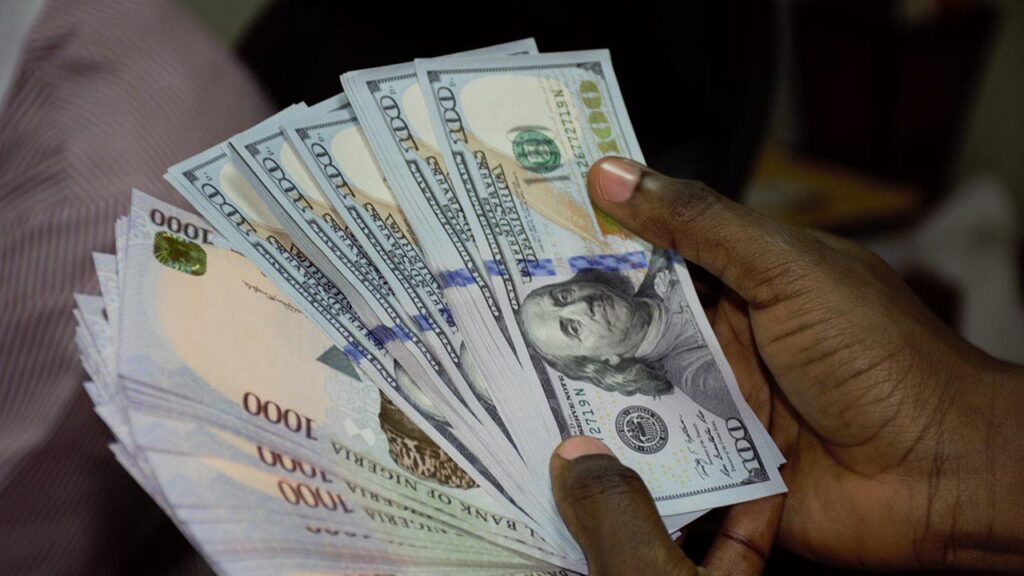
The Nigerian naira continued to weaken against the U.S. dollar on Friday, sliding in both the official and parallel foreign‑exchange markets. At the Central Bank of Nigeria’s official window the rate fell to N1,371.04 per dollar, a modest decline of N0.15 from the previous day’s N1,370.89. In the unofficial market, the drop was steeper, with the dollar fetching N1,415 compared with N1,395 on Thursday, extending a four‑day trend of depreciation.
The move follows a three‑day rise in Nigeria’s foreign‑exchange reserves, which the central bank reported at $48.51 billion as of 13 May. Despite the accumulation of reserves, market participants appear to be pricing in continued pressure on the naira, reflecting persistent demand for foreign currency and lingering uncertainties around monetary policy and external financing.
The naira’s performance this week has been mixed. After an initial rebound earlier in the week, the currency again lost ground on Thursday in the official market, and the recent Friday slide marks the second consecutive day of decline at the benchmark rate. The parallel market, which often provides a more immediate gauge of supply‑demand dynamics, has shown a sharper downward trajectory, signaling that firms and individuals are turning to the informal channel as confidence in the official rate wanes.
Analysts point to several factors that may be shaping the current environment. Persistent inflationary pressures, high import bills and limited access to foreign currency for businesses have kept the naira under strain. Moreover, the recent increase in reserves, while positive, may not be sufficient to meet the scale of dollar demand generated by import‑dependent sectors and debt servicing obligations.
The central bank has maintained its stance of intervening in the market to stabilize the official rate, but limited liquidity and the existence of a robust parallel market constrain the effectiveness of such measures. Observers note that without a clear roadmap for structural reforms—such as diversifying export revenues, improving fiscal discipline and enhancing foreign‑direct investment inflows—the naira is likely to remain vulnerable to external shocks.
Looking ahead, market participants will watch closely for any policy adjustments from the central bank, including potential changes to interest rates, foreign‑exchange window operations and reserve management strategies. Continued pressure on the naira could also prompt a reassessment of the spread between official and parallel rates, with implications for inflation, corporate financing and consumer purchasing power.
In sum, the latest depreciation underscores the ongoing challenges facing Nigeria’s monetary authorities. While reserve builds provide a buffer, the underlying macro‑economic imbalances suggest that stabilising the naira will require a combination of prudent policy actions and longer‑term structural reforms.