
Every year on May 31, World No Tobacco Day serves as a stark reminder of the devastating toll tobacco takes on health, society, and the environment. This year’s focus, “Unmasking the appeal: Countering nicotine and tobacco addiction,” zeroes in on a disturbing trend: the industry’s relentless efforts to hook children and teenagers on nicotine.
Tobacco remains a leading cause of noncommunicable diseases like cancer, heart disease, and diabetes, straining families and healthcare systems worldwide. While global tobacco use has dropped from 1.38 billion users in 2000 to about 1.2 billion in 2024—thanks to tougher policies and the WHO Framework Convention on Tobacco Control—progress is still uneven. One in five adults still smokes, and the industry is constantly reinventing its products, from e-cigarettes to nicotine pouches, to sustain addiction and recruit new users, including millions of adolescents.
These products are often marketed as modern, fashionable, and safer alternatives. But behind the sleek branding lies a deliberate strategy to create a new generation of nicotine addicts. Nicotine is highly addictive, can harm brain development, and increases the risk of other substance abuse.
Consider the story of Audu, a 21-year-old from a community near Abuja, Nigeria. He developed lung disease after starting tobacco use early in life. The illness derailed his education and robbed him of typical youth experiences.
Statistics paint a grim picture: at least 40 million children aged 13 to 15 use some form of tobacco, and over 15 million teens use e-cigarettes. In many countries, kids are more likely than adults to vape. The industry lures them with fruit and candy flavors, sleek packaging, digital marketing, and social media campaigns that make nicotine use seem trendy and harmless.
Nigeria, with one of the largest youth populations globally, is a prime target. E-cigarettes and other nicotine products are flooding online platforms and informal markets, posing serious public health risks. The country has taken steps, like the National Tobacco Control Act, but more is needed.
This year, the WHO honored the Nigeria Film and Video Censors Board (NFVCB) for banning the promotion of tobacco and nicotine products in films, music videos, and skits. It’s a step forward, but the rapidly evolving nicotine market demands urgent action.
First, we must raise awareness about the industry’s tactics, including synthetic nicotine and nicotine salts that boost addiction potential. Parents, teachers, religious leaders, and healthcare professionals all have a role in educating young people to resist manipulation.
Second, we need stronger policies: bans on flavors, advertising, and promotion, especially on digital and social media. Packaging and product design that appeal to youth must be regulated.
Finally, we must close regulatory gaps that allow emerging nicotine products to be marketed to children. Social media platforms shouldn’t be channels for nicotine promotion disguised as lifestyle content.
As we mark World No Tobacco Day, let’s unite to protect future generations. A tobacco- and nicotine-free Nigeria is possible if we act decisively and collectively, starting now.
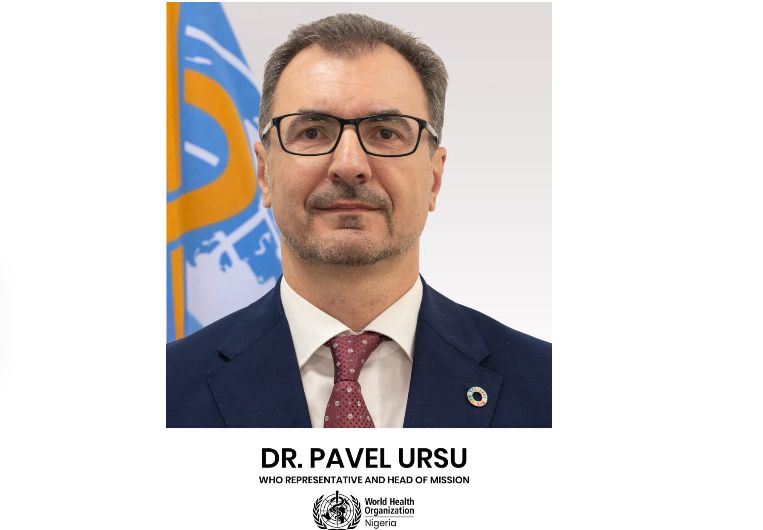
Dr. Pavel Ursu is the Nigeria Country Representative of the World Health Organization.




Comments are closed for this story.