
For decades, the formula was simple: buy more ads, win more customers. The biggest brands spent the most on TV slots, billboards, and print spreads. Visibility equaled victory. But that era is over. Today, consumers are bombarded with thousands of marketing messages every single day, yet most of them fade into background noise. Attention is scarce. Relevance is fleeting. And the brands that are winning now have figured out something crucial: advertising alone no longer works.
Instead, the smartest brands are embedding themselves into culture. They are not interrupting people with commercials; they are showing up in the places people already care about. They are becoming part of the experiences that matter—music festivals, fashion weeks, football matches, and social gatherings. The shift is from interruption to participation. From visibility to experience. From campaigns to culture.
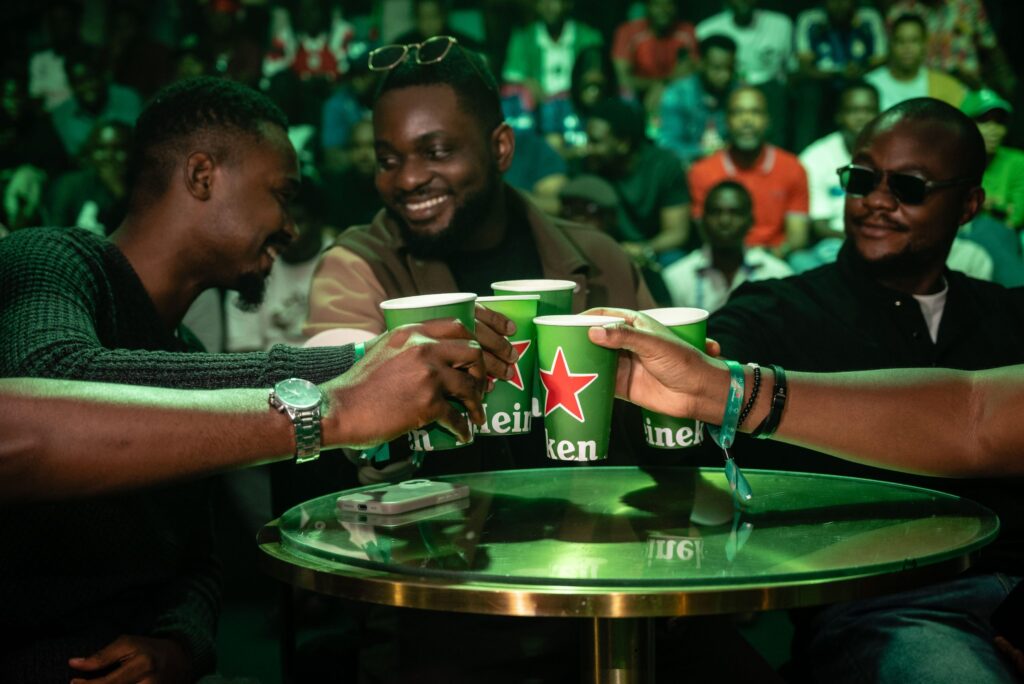
Heineken has mastered this approach in Nigeria. Rather than simply pushing a product, the brand has woven itself into the fabric of cultural life. At Lagos Fashion Week and City of Cities, Heineken is not just a sponsor—it is a presence. It stands at the intersection of creativity and style, where young professionals, artists, and tastemakers gather not for advertising, but for culture. The brand becomes part of the conversation, not the interruption.
Music is another powerful connector. Through partnerships with Flytime Fest, Detty December, and other entertainment platforms, Heineken invests in moments that bring people together. These are not branded events; they are shared experiences. People celebrate, dance, and connect, and the brand is simply part of the atmosphere. The same goes for premium lifestyle experiences like the Heineken House Experience and Big Fiesta. These are not just events—they are environments designed for connection, memory-making, and genuine enjoyment.
Then there is football. Few cultural forces are as powerful as the beautiful game. It transcends geography, profession, age, and background. It creates anticipation, fuels conversation, and generates emotional investment like nothing else. Heineken has long recognized this through its association with the UEFA Champions League. The brand creates opportunities for fans to experience football together—not alone. From fan activations to premium viewing experiences to massive watch parties, the focus is always on community.
Take the recent UEFA Champions League Final Watch Party. Fans did not show up to interact with a brand. They came for the atmosphere, the energy, the anticipation, the conversations, and the collective emotion of a major football moment. Heineken simply provided the environment that made that experience unforgettable. That is why culture is now more powerful than advertising.
The brands winning today understand that consumers do not just want products. They want experiences. They want belonging. They want stories worth sharing. And they reward the brands that help create those stories. In a world where people can scroll past an ad in a second, the most effective marketing no longer feels like marketing at all. It feels like culture. And that is the real secret: the brands that thrive are the ones that learn to become part of the moments people value most.



Comments are closed for this story.