
King Mswati III of eSwatini marked four decades in power with a lavish celebration, drawing praise from regional leaders and corporate giants. But beneath the pomp and ceremony lies a kingdom gripped by fear, where activists are silenced, critics are exiled, and human rights abuses are ignored by the very allies who cheer the monarch.
The two-day jamboree, held at the aging Somhlolo stadium and later the sparkling new International Convention Centre in Mbabane, was a spectacle of color and song. Guests included Lesotho’s King Letsie III, Mozambican President Daniel Chapo, Zimbabwe’s Emmerson Mnangagwa, Botswana’s Duma Boko, and Madagascar’s ousted leader Andry Rajoelina. Taiwan’s Lai Ching-te, who made a controversial “stowaway” visit after being blocked by Beijing, also joined the festivities.
Yet, for the 1.5 million Swazis, the reality is stark. Human rights lawyer Thulani Maseko was gunned down in his home in 2023, activist Thabani Nkomonye died in custody, and unionist Sipho Jele was killed after being arrested for wearing a pro-democracy T-shirt. The LGBTI+ community faces systematic targeting. A May Day rally was banned, and pro-democracy activists live in exile, too terrified to return.
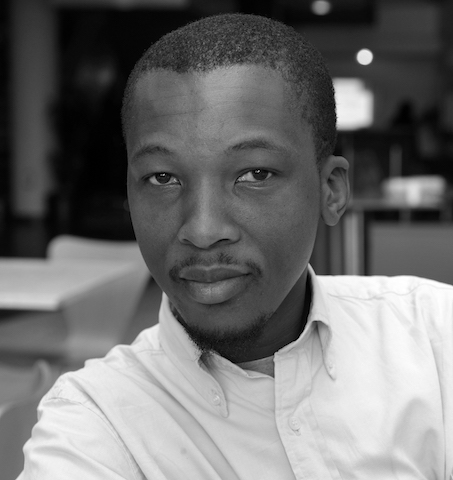
Investigative journalist Zweli Dlamini, one of the few reporters operating openly in eSwatini, says global powers turn a blind eye. “World leaders don’t care. Taiwan doesn’t care. China, the US, SADC—they don’t care,” he says. “Human rights violations are well-documented.”
The economy tells a grim story. With a GDP per capita of just $3,900, eSwatini ranks 149th globally. Nearly 60% of the population lives below the poverty line. While new roads and the convention center signal modernization, critics argue that without equality before the law, Swazis remain trapped between state bullying and state-sponsored deaths.
Prime Minister Russell Dlamini speaks of “monarchial democracy” and economic empowerment, but activists see empty promises. The Tinkhundla system, which allows the king to appoint the prime minister and MPs, faces growing dissent. A University of eSwatini survey found 45% of respondents want direct elections, while only 25% support the current system.
Veteran journalist Bheki Makhubu, who was jailed alongside Maseko on trumped-up charges, warns that accountability remains the core issue. “Even if Tinkhundla were replaced by multi-party democracy today, you’d still have a problem: accountability,” he says.
As the fifth anniversary of the 2021 massacre approaches, pro-democracy groups brace for more state brutality. But Dlamini holds onto hope. “Give it time,” he says. “Change is inevitable.”



Comments are closed for this story.