
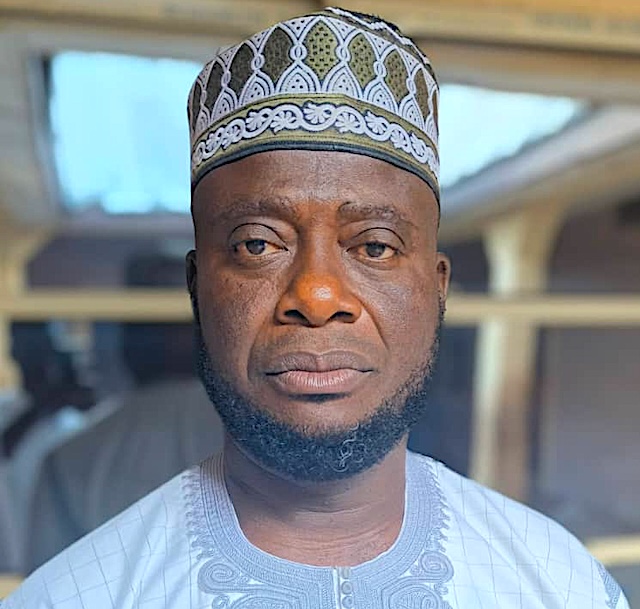
A question echoes across Nigeria’s bustling markets and quiet villages: has hope truly returned under President Bola Ahmed Tinubu? The answer, it seems, depends on who you ask. For some, the nation’s bold economic reforms are beginning to bear fruit. For others, the daily grind of rising costs and insecurity remains a stubborn reality.
On one hand, the numbers tell a story of cautious optimism. After inflation hit a staggering 34.8 percent in late 2024, aggressive monetary policies have driven it down. The International Monetary Fund now projects Nigeria’s economy will grow by 4.4 percent. The government’s Renewed Hope Development Plan, targeting a $1 trillion economy by 2050, has won endorsement from the National Economic Council. Infrastructure projects are visible, from highway rehabilitations in the Northeast to the Renewed Hope Ward Development Programme aimed at lifting grassroots communities.
Yet, on the ground, many families are still adjusting to harsh economic realities. Business owners push for relief, while insecurity and banditry continue to disrupt lives. The divide between policy ambition and lived experience is sharp.
In the midst of this, a spiritual perspective offers solace. As Imam Murtadha Gusau reminds us in his Friday sermon, Islamic teachings anchor hope in divine mercy. The Qur’an promises that with hardship comes ease—multiple avenues of relief for every trial. The story of Prophet Ya’qub, who never lost hope despite losing his sons, serves as a powerful lesson. Despair, the Imam warns, is a trap of Satan, while sincere repentance and patience unlock doors to a brighter future.
For those facing violence and uncertainty, the sermon recommends specific prayers from the Qur’an and Hadith, alongside acts of charity. The Prophet Muhammad taught that mercy to others invites divine mercy. Abstaining from sin, the Imam adds, is crucial, as sins often invite calamity.
Ultimately, whether hope is renewed in Nigeria is a question of perspective. For the faithful, it lies not in government policies alone, but in an unshakable trust in Allah. As the nation navigates its transformation, the balance between economic reform and spiritual resilience will define its path forward.


Comments are closed for this story.