
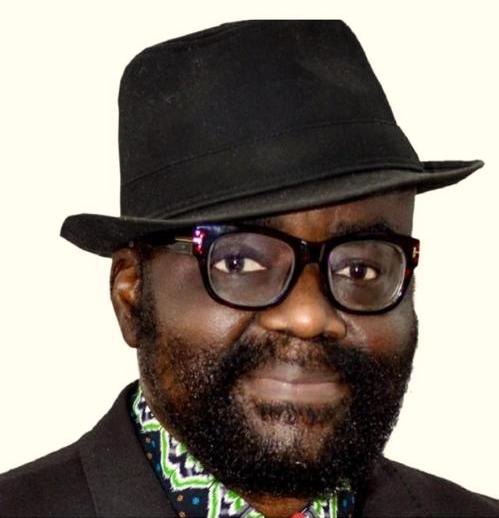
In a quiet moment of reflection, one must wonder what could possibly drive a man who has tasted the highest fruits of power to risk it all for a second helping. Goodluck Jonathan, who rose from humble beginnings to become Nigeria’s president, now finds himself at a crossroads. He is being courted by political forces eager to pull him back into the arena for the 2027 presidential race. But is this a path to glory or a descent into chaos?
Imagine, for a moment, a brotherly conversation with Jonathan. A heart-to-heart in a quiet corner, where one might say: “Brother, you have been blessed beyond measure. From deputy governor to governor, vice president to president, you ruled Nigeria for six years. You were not perfect, but when you conceded defeat in 2015, the world applauded. You became a global statesman, mediating crises across Africa. Now, some political merchants want you to trade that hard-earned respect for the mudslinging of a presidential campaign. Please, don’t demystify yourself.”
The call for Jonathan’s return is not without its advocates. Professor Jerry Gana, a founding father of the Peoples Democratic Party, argues that Jonathan’s candidacy would ensure a rotation of power back to the North by 2031. The party is banking on a wave of nostalgia for the relative economic stability of Jonathan’s tenure, a stark contrast to the current climate of rising costs and fuel prices. The “Bring Back Jonathan” movement is a calculated attempt to offer a familiar face to a weary electorate.
Younger voices, like Honourable Benedict Etanabene, point to global precedents. Donald Trump in the United States and John Mahama in Ghana both returned to power after stints away. “If we have a problem and need someone to fix it, we look for those with the capacity to do so,” Etanabene argues. But Nigerian politics is a different beast, highly transactional and tribal. Jonathan’s entry could trigger a massive backlash. What will he say if Peter Obi’s supporters accuse him of diluting their votes to favor Bola Tinubu? Or if APC stalwarts claim he was sponsored to steal South-South votes?
Jonathan’s tenure was a mixed bag. He championed democratic principles and civil liberties but faltered on institutional strength and corruption. Yet, he exited in a blaze of glory, a rare feat in Nigerian politics. To return now risks everything. If he contests and loses, he would have politically castrated himself. Even if he wins, the battle for succession would begin almost immediately, crippling governance.
The opposition is fragmented. Imagine a united front with Jonathan, Atiku, Obi, Kwankwaso, and others. That would be a formidable force. But as it stands, the opposition is splintered, and Tinubu, with his 31 APC governors, remains entrenched. In 2023, Tinubu won with just 36.6% of the vote because the opposition was divided. History could repeat itself.
Jonathan’s best course is to stay out of the fray. He has nothing to prove and everything to lose. Let him remain the elder statesman, the global mediator, the man who bowed out gracefully. That is a legacy worth preserving.



Comments are closed for this story.