
The Berlin Conference of 1884-1885 stands as a monumental disservice to Africa, a fact that resonates across any historical debate. Otto von Bismarck, fearing a chaotic scramble among European powers for African influence, gathered 13 European nations and the United States to carve up the continent. The result was a set of rules that accelerated colonization, leaving Africa with deep economic, social, and political scars that persist today.
The conference’s exclusion of African voices ensured its outcomes would be toxic. Beyond resource extraction and colonial rule, the arbitrary demarcation of borders—ignoring kingdoms, ethnic groups, and trade networks—shattered existing institutions. This has fueled a common narrative: Africa’s woes stem from its “artificial colonial constructs,” where tribes are forced together awkwardly and often dangerously.
But this reading, which implies every nation should have its own state, is flawed. The idea of a pure nation-state doesn’t exist anywhere—not even in Europe. Europe’s own borders were shaped by centuries of wars, dynastic marriages, and political bargains, making countries like Spain, the UK, France, and Belgium similarly “artificial military constructs.” The “Troubles” in the UK, the Anschluss of 1938, and the invasion of Czechoslovakia for Sudetenland were all tribal conflicts in their own right. Both World Wars emerged from Europe’s fluid borders.
If Africa is failing, it’s not because of its diverse peoples. It’s because its nations haven’t developed shared institutions and national identities within their borders. Modern European nationalism emerged after borders were set, through efforts to standardize languages, education, and military service. Without cultivating common identities, Africa will continue to struggle to build functional nations.
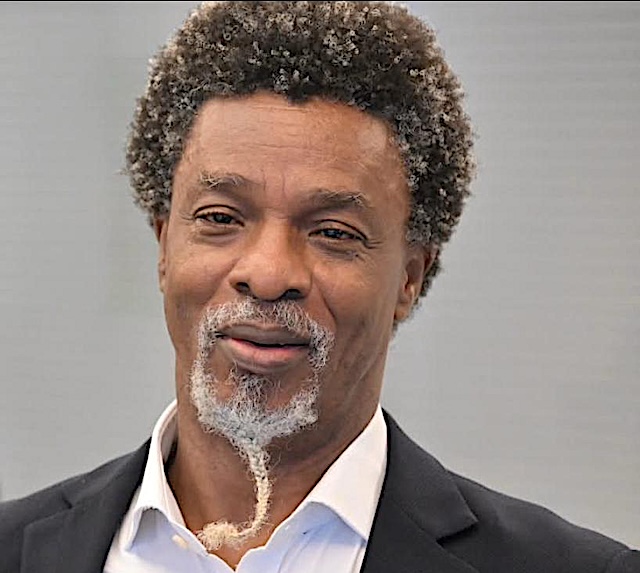
Uddin Ifeanyi, a journalist manqué and retired civil servant, can be reached @IfeanyiUddin.




Comments are closed for this story.