

On the evening of March 28, 2022, Samuel Aruwan stepped out of his office in Kaduna. His phone rang. It was the Emir of Zazzau, Ambassador Ahmed Nuhu Bamalli. The monarch had heard something troubling about a train on the Kaduna-Abuja railway corridor. Details were thin, but the concern in his voice was enough to send Aruwan rushing back to his desk. That night would become one of the darkest in Kaduna State’s recent history as gunmen attacked the train, leaving passengers trapped and terrified. Aruwan, then commissioner for Internal Security and Home Affairs, still remembers that call. Not because it was the first time the Emir flagged a security threat, but because it captured something deeper: a leader who listens, connects, and acts.
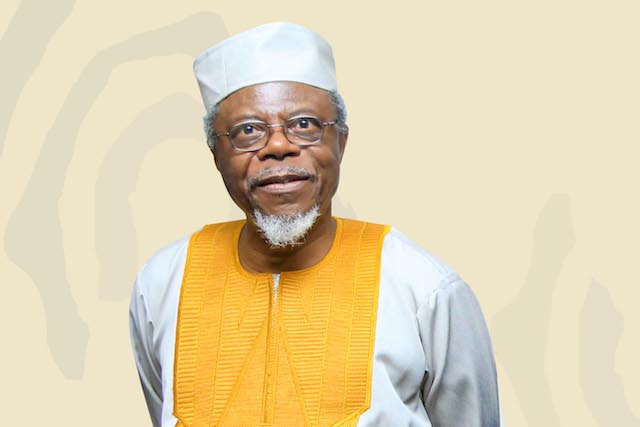
As Bamalli turns 60, Aruwan reflects on a unique form of leadership shaped by banking, law, diplomacy, and tradition. The Emir’s journey is not just about titles; it is about a worldview that blends institutional respect with human empathy. In the chaos of that train attack, Bamalli’s early warning proved vital. Aruwan scrambled to verify the report, linking up with military commanders and security chiefs. A passenger on board activated WhatsApp’s location feature, pinpointing the attack near Audu Jangom. That single clue turned the response. The Emir’s phone call had set it all in motion.
Another moment stands out. During the Tudun Biri tragedy, when a military drone strike killed civilians, Aruwan faced a nightmare: how to calm a community reeling from loss without sparking panic. He called the Emir again. Without hesitation, Bamalli recorded a voice message, offering prayers and urging calm. Aruwan turned it into a radio jingle that aired across the state by dawn. As news spread, the Emir’s steady voice had already reached homes, buying time for security forces to deploy. It was a masterclass in crisis management.
But Bamalli’s leadership is not just about emergencies. When allegations of misconduct against security personnel threatened to fracture trust in a community, he urged patience. He pushed for a deeper look at the facts, helping reveal a complex situation that was not as it seemed. The late Chief of Army Staff, Lieutenant General Taoreed Abiodun Lagbaja, praised the Emir’s insight. The outcome preserved cooperation between the community and the military.
Beyond security, Bamalli has championed institution-building. He restored symbols of the Zazzau Emirate’s heritage and launched the Aliyu Dan Sidi Museum and Documentation Centre, named after a 19th-century emir deposed by the British. It is not just a museum; it is a statement that history is a guide, not a relic. He has also pushed for education, believing it is the bedrock of progress.
Aruwan, now a postgraduate student at Ahmadu Bello University, says the Emir’s respect for due process and dialogue runs through everything. Whether in formal security council meetings or quiet conversations, Bamalli brings the same sense of duty. He builds bridges between government, communities, and ordinary citizens. His 60th birthday is a milestone, but for those who have worked with him, it is also a reminder of a leader who sees the person behind every crisis.



Comments are closed for this story.