
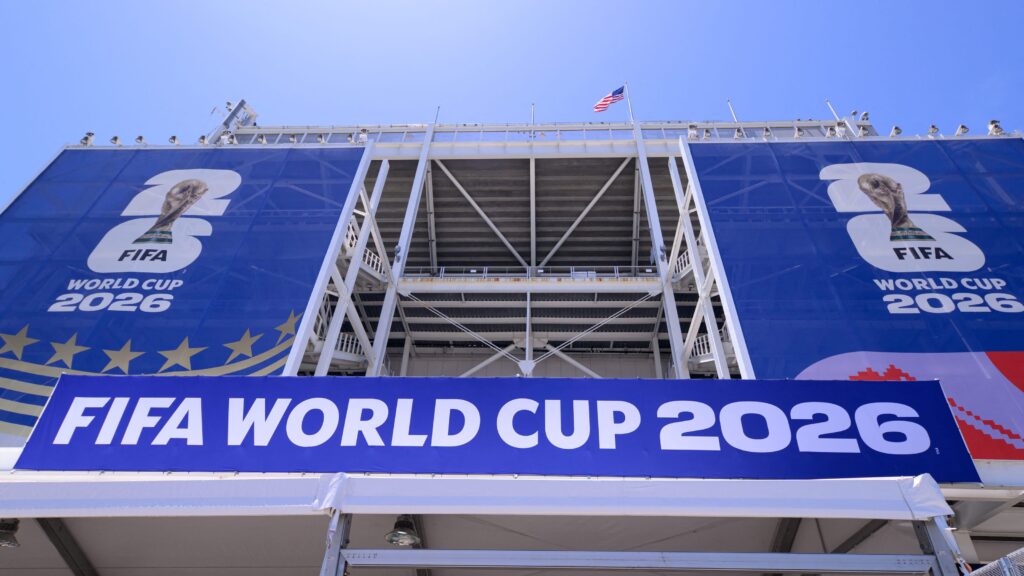
Don Schneider still remembers the thrill of scoring tickets to the 1994 World Cup final with a simple phone call. He has followed the tournament across the globe ever since, but for the first time, he and his travel crew are staying home.
When pricing for the 2026 World Cup in North America dropped, Schneider, from Edmonds, Washington, was stunned. “We were all like, ‘Oh my God.’ It became clear they were optimizing for the short-term, the bottom line. We were immediately convinced there’s going to be a lot of empty seats.”
He is not alone. A growing number of soccer obsessives with the means to travel are choosing to sit out the next tournament. They call it FIFA fatigue. They will still watch on TV, but the hurdles organizers have put up—endless ticket phases, special credit card offers, and hospitality packages that sell out in seconds—have drained their enthusiasm.
Danny Navarro, known online as TravelFutbolFan, launched his account after the 2022 World Cup to guide fans through the host cities. Instead, he became a clearinghouse for confusion. “People feel the fatigue of, ‘Are there tickets for Mexico’s home opener or not?’ They’re tired of this FOMO marketing campaign,” he said.
Mike Spracklen, a logistics worker in Dallas and a longtime member of the American Outlaws, planned to attend every U.S. match. Despite registering for every supporters’ program, he could not secure tickets. “To be in a stadium for a World Cup game would be magical,” he said. “But my excitement was with the U.S., and I couldn’t get in.”
Beyond ticketing chaos, all three cite the political climate as a damper. Schneider had hoped the Cup would showcase America’s welcoming spirit. “When things went sideways with immigration and fear of people coming into the country, we became convinced we might not see that wonderful collision of joyful culture.”
Spracklen worries foreign fans may not feel safe or welcome. “It’s not something I would’ve considered a couple of years ago,” he admitted.
Yet, these fans see a role for themselves: making sure the world feels welcome despite the frustrations. Navarro urged, “We have to show up. We have to be proud of wearing our cultural colors. At the end of the day, we need to have hope.”




Comments are closed for this story.