
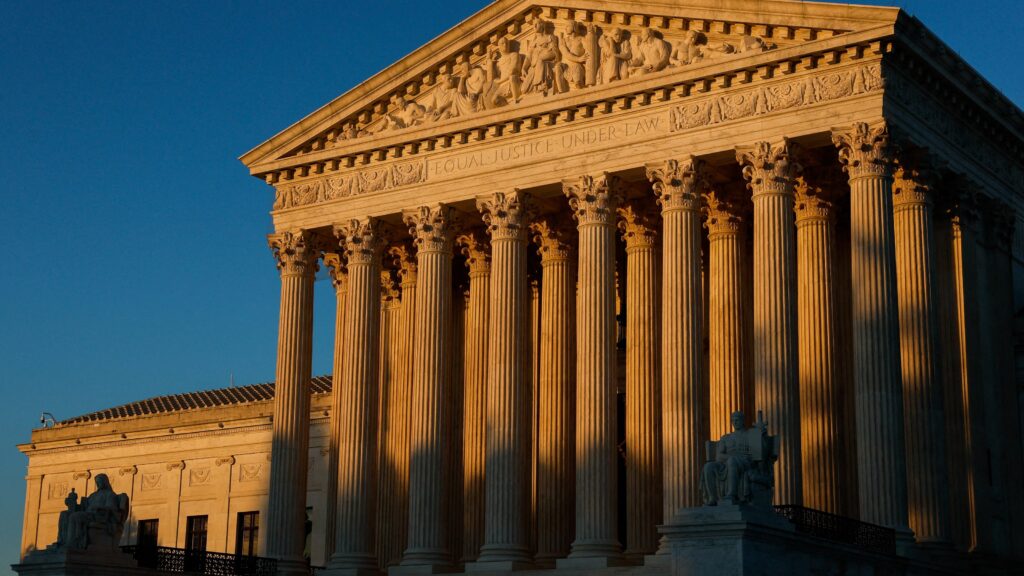
The Supreme Court has blocked Alabama from using nitrogen gas to execute convicted double-murderer Jeffery Lee, siding with a lower court that found the method likely violates the Eighth Amendment’s ban on cruel and unusual punishment. The unsigned order, issued June 11, rejected the state’s emergency appeal to proceed with the execution, though Alabama can still pursue a standard appeals process that could stretch on for months.
The case thrusts nitrogen gas—a method never before ruled on by the high court—into the national spotlight. Alabama argued the suffering caused by nitrogen hypoxia does not cross constitutional lines, but the Atlanta-based 11th U.S. Circuit Court of Appeals disagreed, calling the distress “intolerable” under the Constitution. The appeals court noted that inmates experience severe air hunger, anxiety, and physical discomfort for one to three minutes before losing consciousness, a timeframe it deemed excessive.
Three conservative justices—Clarence Thomas, Samuel Alito, and Neil Gorsuch—said they would have allowed the execution to move forward. But the majority declined, citing the need for a full review. Lee’s attorneys had warned that executing him before appellate review concluded would be an “irreversible” error if the method was later found unconstitutional.
Lee was convicted of murdering Jimmy Ellis and Elaine Thompson during a 1998 pawn shop robbery in Alabama, using a 12-gauge shotgun. A jury recommended life in prison without parole, partly due to his mental disabilities, but a judge overrode that decision, sentencing him to death. The case has drawn protests from advocates who argue the jury’s recommendation should have been honored.
The ruling comes as states increasingly turn to nitrogen gas amid shortages of lethal injection drugs. But the American Thoracic Society told the Supreme Court that the method causes “intense, inhumane suffering,” even deeming it too cruel for euthanizing mice or dogs. A federal judge had earlier found that while Lee’s attorneys failed to prove the pain exceeded constitutional limits, the 11th Circuit reversed that decision.
Alabama had argued that alternative methods, like a firing squad, are impractical due to difficulty finding trained marksmen. But the lower courts approved that option, noting it produces a quick and painless death. The state now faces a lengthy legal battle over whether nitrogen gas can ever be used in executions.




Comments are closed for this story.