

As Nigeria inches closer to the 2027 general elections, a stark truth hangs over the political landscape: democracy is more than a privilege to savor—it is a duty to fulfill. The caliber of leaders who will take the helm in 2027 hinges on the decisions made by the electorate. The nation’s trajectory may rest on how seriously its citizens shoulder this burden.
Political gears are already grinding. Realignments are reshaping alliances, coalition talks buzz behind closed doors, defections shake party loyalties, and aspirants quietly jockey for position in what could be a pivotal electoral battle. Yet, amid the flurry of political maneuvering, the most vital players are often overlooked: the voters themselves.
Nigeria’s democratic fate in 2027 won’t be sealed by the candidates alone. It will be forged by the civic awareness, political savvy, and sense of duty of the people. Elections are not mere four-year rituals. They are powerful tools for citizens to steer leadership, influence governance, and map the country’s future. As the electoral cycle revs up, a pressing reminder echoes: democracy thrives not just because elections are held, but because voters grasp and execute their civic obligations.
But voting is only the tip of the iceberg. True civic responsibility spans the entire electoral cycle—from registering to vote and staying informed, to scrutinizing candidates, monitoring polls, and holding leaders accountable after the ballots are cast. As 2027 looms, Nigerians must shed the role of passive onlookers. They are critical stakeholders, and their collective choices can either fortify or fracture democratic governance.
The real election begins long before polling day. Political parties often shape the ballot through primaries, which can be fraught with controversy. Leadership selection starts early, so voters who crave good governance must keep a sharp eye on party dynamics. As parties gear up for 2027, Nigerians should demand transparency, fairness, and democratic norms during these internal contests. Merit, competence, integrity, and proven ability must trump patronage, cash, or godfatherism.
Nigeria’s electoral history is often colored by ethnic, religious, regional, and partisan lines. While identity matters, elections should hinge on ideas, capability, and vision. The country grapples with insecurity, unemployment, inflation, crumbling infrastructure, education gaps, and economic woes—issues that demand leaders with tangible solutions and track records. As campaigns heat up, voters must weigh candidates on their past performance, policy proposals, integrity, and ability to deliver results. The key question for 2027 isn’t “Where is the candidate from?” but “What can the candidate do?”
Democracy flourishes when performance drives support; it falters when sentiment overshadows substance.
Vote buying remains a stubborn blight on Nigeria’s electoral credibility. Politicians exploit economic hardship, offering cash, food, or incentives for votes. These bribes offer fleeting relief but carry lasting costs. A vote is worth far more than any handout—it’s a voice, a stake in the future. When votes are sold, accountability erodes, and elected officials treat office as a business venture, not a service. As the 2027 race picks up, voter education must hammer home the perils of electoral bribery. Every vote sold today could mean years of poor governance tomorrow. The electorate must be the first line of defense against this corruption.
Voter apathy is another hurdle. Despite widespread discontent with governance, many eligible voters skip registration, fail to collect their cards, or shun the polls. This paradox lets a tiny slice of the population decide outcomes for millions. Democracy works only when citizens participate actively. Staying home doesn’t erase political consequences—it hands power to others. The 2027 elections offer a chance for Nigerians, especially the youth, to step up. The swelling ranks of young voters could be a democratic force if mobilized and informed. Political engagement must transcend social media chatter; it must translate into registration, civic action, policy debates, and responsible voting.
The commercialization of politics raises alarm. Soaring costs for nomination forms and party tickets lock out many competent, credible candidates, leaving the field to wealthy elites and those with powerful connections. This trend stifles inclusivity and representation. To deepen democracy before 2027, Nigeria must wrestle with electoral and political reforms that lower financial barriers. Democracy shouldn’t be a playground for the rich.
Yet democracy doesn’t end at the ballot box. Holding elected leaders accountable after they take office is a core civic duty. Effective governance demands ongoing oversight through advocacy, engagement, public discourse, and pressure. Citizens must track campaign promises, evaluate performance, and demand transparency. Accountability should be a permanent fixture of democratic life, not a seasonal affair. When voters stay vigilant between elections, leaders become more responsive to public needs.
The road to 2027 has already begun. Nigeria’s democratic future rests on an electorate that is informed, alert, patriotic, and resistant to manipulation. Citizens must reject vote buying, fight misinformation, vet candidates, engage actively, and demand accountability from parties and leaders alike. As the nation moves toward the 2027 General Elections, the message rings clear: democracy is not just a right to enjoy—it is a responsibility to exercise. The quality of leadership in 2027 will mirror the quality of choices made by the voters. Nigeria’s future may depend on how seriously its citizens embrace that charge.
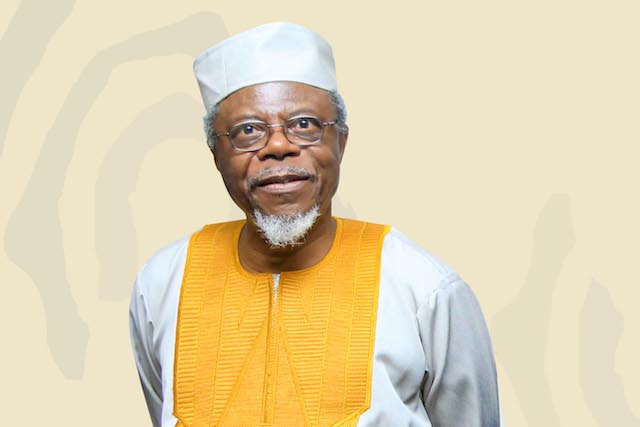
Mukhtar Ya’u Madobi is a Research Fellow at the Centre for Crisis Communication.



Comments are closed for this story.