
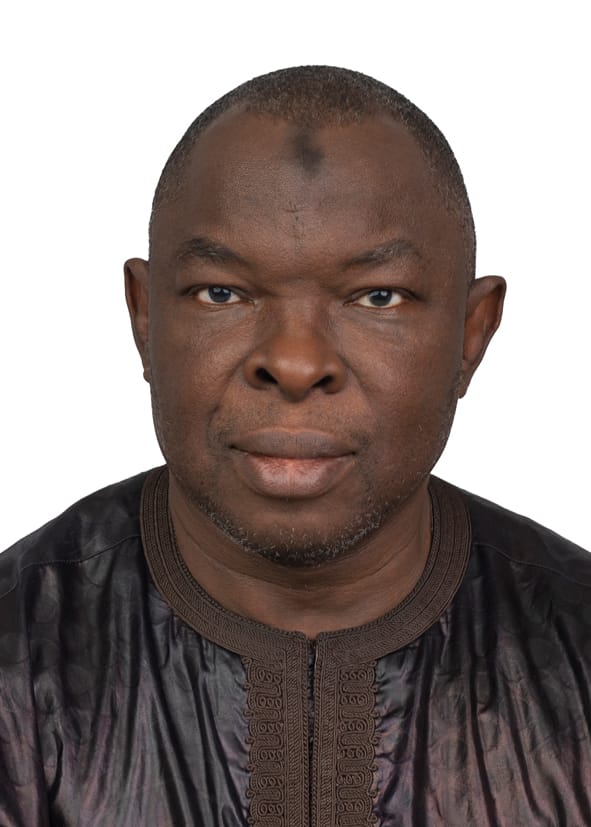
Chief Moshood Kashimawo Olawale Abiola was no saint, nor a radical. But he was a stubborn fighter. He had the guts to demand the presidential mandate Nigerians gave him, insisting it be recognized, respected, and upheld. That was the heart of the June 12 struggle.
June 12 became a heroic battle that exposed hypocrites calling themselves “progressives,” “patriots,” “democrats,” and “socialists.” It revealed Nigeria as a nation captured by ethnically bigoted, religiously chauvinistic, kleptocratic, and fascistic elements. But it also showed that the First Independence Movement had outlived its usefulness, paving the way for a Second Independence Movement that puts the masses first.
It is deeply sad that the All Progressives Congress officially declared June 12 as Democracy Day. Sad because the APC shamelessly glorifies lies, kleptocracy, injustice, and violence. A party of incurable lumpen politicians. And ironic that President Bola Ahmed Tinubu now declares patriots and emancipatory fighters as heroes, while his administration remains anti-democracy, obedient to the IMF and World Bank, hostile to national interests, and anti-masses.
Just as the APC destroys everything it touches, it has belittled and polluted the essence of June 12. No wonder moles, villains, and anti-June 12 elements have been declared heroes in the last two years.
Abiola was a frontline hero, even before the Tinubu declaration. He faced Nazi-style surveillance, was illegally arrested on June 23, 1994, held in solitary confinement for four years, tortured, and denied medical access. Morally bankrupt propagandists tried to tarnish his image but failed. His family was harassed, his businesses liquidated by the Abacha junta. He died on July 7, 1998, under suspicious circumstances after sipping tea served by officials of the Abdulsalam Abubakar regime.
Chief Alfred Rewane was shot dead in his bedroom on October 6, 1995, for being pro-June 12 and anti-Abacha. Abiola’s wife, Kudirat, was ambushed and killed on June 4, 1996. Yet she received no national award. What class bias.
Bagauda Kaltho, a fearless journalist, vanished in Kaduna, reportedly murdered by Abacha’s assassins. Chief Bisoye Tejuosho, Alhaja Suliat Adedeji, retired Rear Admiral Babatunde Elegbede, Admiral Olu Omotehinwa, and Dr. Shola Omoshola were martyred. Sergeant Patrick Usipeko died in prison. The 118 pro-democracy protesters shot dead in Lagos on July 6, 1993, were heroes too.
Chiefs Gani Fawehinmi, Abraham Adesanya, Abiola Opadokun, Professor Omo Omoruyi, Justice Omotunde Ilori, General Alani Akinrinade, and Commodore Dan Suleiman narrowly escaped Abacha’s assassins. Journalists like Dapo Olorunyomi, Chris Anyanwu, Ben Obi, George Mba, Nosa Igiebor, Osa Director, Kunle Ajibade, Femi Ojudu, George Onah, Soji Omotunde, Moshood Fayemiwo, and Niran Malaolu were arrested and detained for reporting the truth. They are all heroes.
Commandants like Beko Ransome-Kuti, Owei Lakemfa, Abiodun Aremu, Osage Obayuwana, Chima Obani, Femi Falana, Olisa Agbakoba, and Emma Ezeazu led the struggle in Lagos. In Ibadan, Laoye Sanda, Moshood Erubami, and Lam Adesina under Ola Oni’s leadership. In the South-East, Arthur Nwankwo, Chukwuemeka Ezeife, Udenta Udenta, Alex Ayatulumuo, Ibuchukwu Ezike, and Monsignor Obiora. In Edo and Delta, Jonathan Ihonde, Esosa Edosomwan, Igboyako Nowinta, Duncan Osakue, Felix Oriakhi, and Ebohon.
In Plateau and the Middle-Belt, Chris Abashi, Titus Mann, Tom Adambara, Nelson Ananze, Joseph Sango Sanya, Pam Yusuf, Dung Pam Sha, Sam Egwu, Tony Akika, Rima Shawulu, Chom Bagu, Tor Irapour, Chris Kwaja, John Sok, Dung Pwul, Davou Dalylop, Steve Aluko Maradona, Mahmud Abdul, Kayode Ogundamisi, Sangosanya Joseph, Monday Sochuwuma, Hilter Dadi, Nankin Bagudu, Okechalla Audu, Moses Bot, Benedita Daudu, Kemi Afolayan, Chundung Sha, Issah Jubil, and Monday Okotie.
In Kaduna, Anslem Akele, Abdul-Raufu Mustapha, Anas Adamu, Peter Ozo-Eson, Rifkatu Sabo, Tanimu Abubakar, John Gimbason, Daniel Ishaya, Moses Thedeke, Idris Miliki, Fatima Abdulrahman, Ibrahim Waziri, Imason John, Anges Shaaba, Manashe Turaki, Festus Okoye, Salihu Lukman, John Dan-Fulani, Josph Audu Mamman, and Florence Aya.
In Kano and Jigawa, Naseer Kura, Adagbo Onoja, Auwal Rafsanjani, YZ Ya’u, Mustapha Bichi, Dalhatu Isa Fagge, MM Yusuf, Sani Hussein Garin-Gabas, Habib Raina, Balarabe Inuwa Dutse, and Dan Bala Danju. In Maiduguri, Abdulkadir Isah, Kalli Gazali, Kashim Zannah, Usman Ladan, and one “Mallam June 12.”
If Tinubu truly wants justice for June 12, he must direct all security agencies to release the June 12 files to the public. Only then will we know the real heroes, heroines, and villains.
Ahmed Aminu-Ramatu Yusuf worked as deputy director, Cabinet Affairs Office, The Presidency, and retired as General Manager (Administration), Nigerian Meteorological Agency.

Comments are closed for this story.