
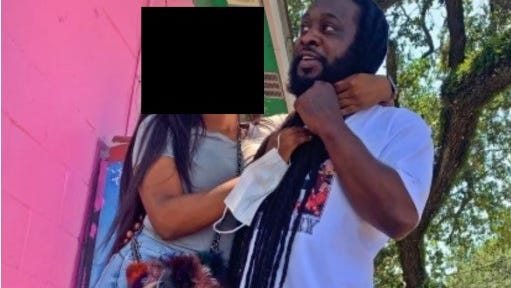
A Louisiana Rastafarian who spent nearly a decade growing his knee-length dreadlocks only to have them forcibly shaved off by prison guards will not be allowed to sue for damages, the Supreme Court ruled on June 23. The decision marks a rare setback for religious liberty claims at a court that has increasingly championed them.
The justices determined that a federal law designed to protect prisoners’ religious rights does not permit inmates to seek financial compensation when those rights are violated. While the court has shown sympathy toward religious freedom arguments, it has grown hostile to lawsuits demanding money from government officials.
Damon Landor, a practicing Rastafarian, was serving a five-month sentence for drug possession in 2020 when he was transferred to a new state facility in Louisiana. He presented prison officials with a court ruling requiring accommodations for dreadlocks grown for religious reasons, a policy honored at his previous prisons. According to court filings, an intake guard tossed the ruling in the trash and summoned the warden.
When Landor could not immediately produce court documentation verifying his Rastafarian faith, guards handcuffed him to a chair and shaved off his dreadlocks.
My locks are a part of me and part of who I am, Landor told USA TODAY, recalling how his religion helped him survive incarceration. So when they cut off my hair, they cut off my crown.
Landor’s attorneys, along with the Justice Department, argued that the Religious Land Use and Institutionalized Persons Act, or RLUIPA, passed unanimously by Congress in 2000, should have protected him. The law prevents state and local prisons from imposing arbitrary restrictions on religious practices. Yet even two decades after its enactment, the Justice Department noted in a 2020 report that some institutions continue to burden incarcerated people following their faith.
A coalition of religious and civil liberties groups across the ideological spectrum backed Landor. The Supreme Court had previously ruled in 2020 that Muslim men who claimed their religious rights were violated when placed on the no-fly list after refusing to serve as FBI informants could sue agents for damages. But that case involved a different federal law. Louisiana argued that RLUIPA, which applies to state institutions, operates differently, and that accepting federal funding does not create personal liability for prison workers.
During oral arguments in November, none of the justices defended what happened to Landor as valid. Yet Justice Amy Coney Barrett warned that the court had to consider how its decision might affect other situations involving lawsuits against public employees, even outside the context of prisoners’ religious rights.
Louisiana officials said the state has since amended its grooming policy to prevent a repeat of Landor’s ordeal.



Comments are closed for this story.