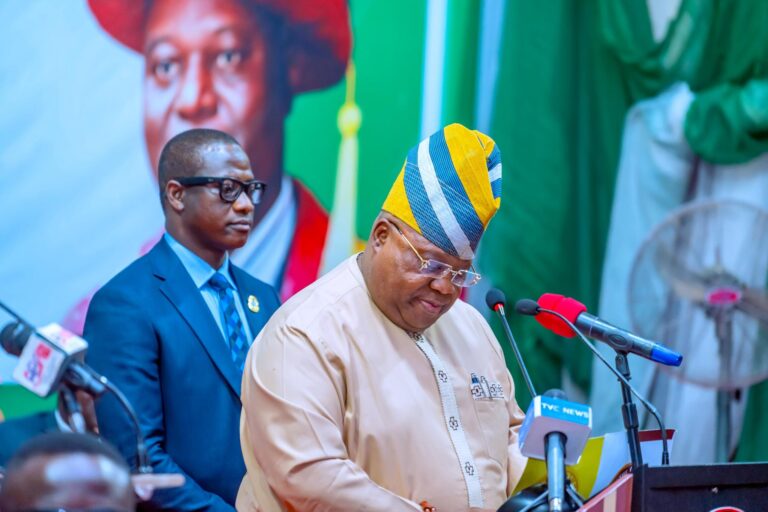
Bayo Onanuga, a special adviser to President Bola Tinubu, has a habit of seeing what he wants to see. In September 2016, he took to Facebook to question media reports of hardship under the Buhari administration. His evidence? His daughter, boarding a Virgin Atlantic flight from Lagos to London, reported it was full. To Onanuga, this single data point proved the media was exaggerating Nigeria’s struggles.
Fast forward to last week, and Onanuga is back in the headlines. This time, he’s dismissing critics of the Tinubu government’s economic policies as “economic illiterates,” insisting Nigerians aren’t poorer. If his track record under Buhari is any guide, he’s likely missing the forest for the trees again.
Let’s look at the numbers. When Tinubu took office in May 2023, the official exchange rate was about 464 naira to the dollar, with the parallel market at 750-775 naira. By early 2024, the naira briefly traded above 1,500 naira to the dollar, even hitting 1,900 in some markets. It’s now hovering around 1,400. Inflation has soared as imported goods became more expensive, despite the central bank’s efforts to hike interest rates and clear forex backlogs.
Fuel prices tell a similar story. Before Tinubu’s inauguration, petrol cost about 185-210 naira per litre. After his “fuel subsidy is gone” announcement, it jumped to 488-500 naira within days. Today, it’s even higher. The impact on inflation, combined with the naira’s freefall, has been devastating.
No one disputes that reforms were necessary. Nigeria has long lived beyond its means, and better price discovery is essential for long-term growth. But an economist of Onanuga’s supposed stature should understand the concept of time lag. The benefits of reform—higher investment, productivity gains, GDP growth—take more than one electoral cycle to materialize. In the meantime, the pain is immediate: inflation erodes disposable income, and consumption plummets.
This is the classic pain-versus-gain debate. Serious reforms always create losers before winners. That’s why palliatives matter. The Tinubu government’s minimum wage increase in July 2023 was a step in the right direction, but it’s a band-aid. Without higher productivity or increased supply of goods and services, wage hikes fuel further inflation. And since most Nigerians work in the informal sector, they don’t even benefit from the minimum wage.
The International Monetary Fund agrees. In its latest report, it notes that “poverty reached 63 percent” and “27 million Nigerians are estimated to have faced food insecurity in the fall of 2025.” These aren’t media exaggerations; they’re hard data.
Onanuga’s refusal to acknowledge the downsides of Tinubu’s reforms is dangerous. It suggests the government may be relying on advisors who see only what they want to see. That’s a recipe for policy failure. The real question isn’t whether Nigerians are hurting—they are. It’s whether the government will admit it and take the necessary steps to cushion the blow.