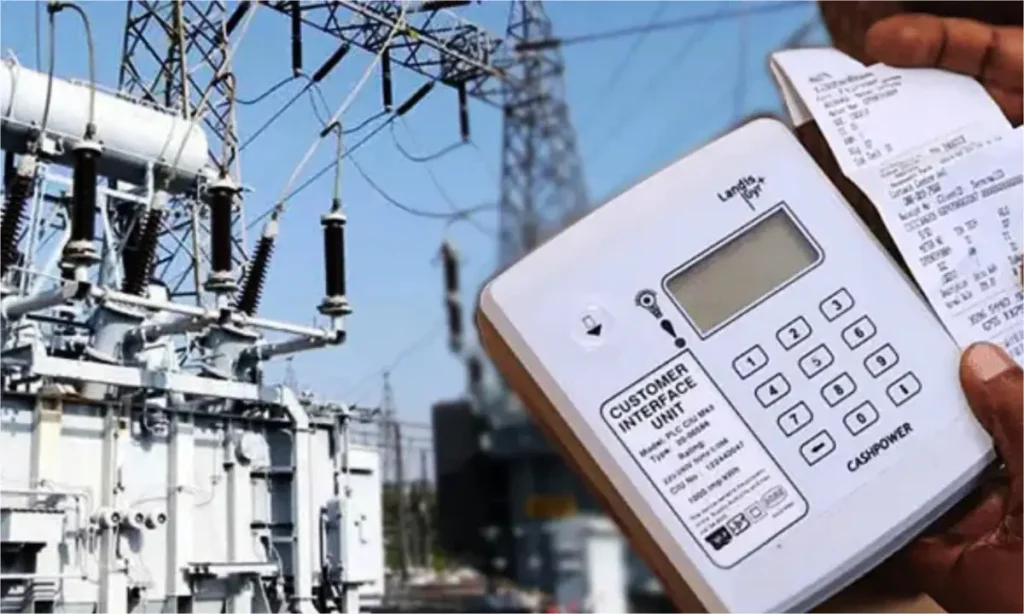
Nigeria’s electricity metering gap remains substantial, with 5.1 million customers still unmetered out of 12.5 million active accounts, according to the latest Nigerian Electricity Regulatory Commission status report covering March and April.
The data puts the national metering rate at 58.8 percent, meaning 7.3 million customers have meters while 5.1 million — 41.2 percent — rely on estimated billing. The commission said distribution companies installed 111,654 meters in April, following 115,905 installations in March, a combined addition of over 227,000 meters in two months.
Progress varies sharply across the country’s 11 distribution zones. Eko Electricity Distribution Company leads with an 88.8 percent metering rate, followed by Ikeja at 87.9 percent and Abuja at 80.1 percent. The disparity underscores uneven implementation of the National Mass Metering Programme and differing operational capacities among the privatized utilities.
In the Federal Capital Territory, consumers face upfront meter costs that many consider prohibitive. Single-phase meters range from ₦100,835 to ₦148,162, while three-phase units cost between ₦168,452 and ₦268,750. Despite these outlays, residents across Abuja and much of Nigeria continue to experience erratic supply, with frequent outages and load shedding persisting even in metered areas.
Industry stakeholders have long argued that closing the metering gap is essential for revenue assurance, customer trust, and network planning. Unmetered customers are billed on estimates that often exceed actual consumption, fuelling disputes and collection losses for distribution companies. The regulator has mandated accelerated meter deployment, but financing, logistics, and vendor capacity remain bottlenecks.
The latest figures suggest steady but incremental progress. At the current monthly installation pace, it would take several years to meter the remaining unmetered population, assuming no new connections. Meanwhile, the government’s ongoing power sector reforms — including tariff adjustments and efforts to improve generation and transmission — aim to address the supply instability that undermines the value of metering for end users.
Analysts say sustained regulatory pressure, innovative financing models, and stronger accountability for distribution companies will determine whether Nigeria can achieve universal metering and, with it, a more transparent and financially viable electricity market.