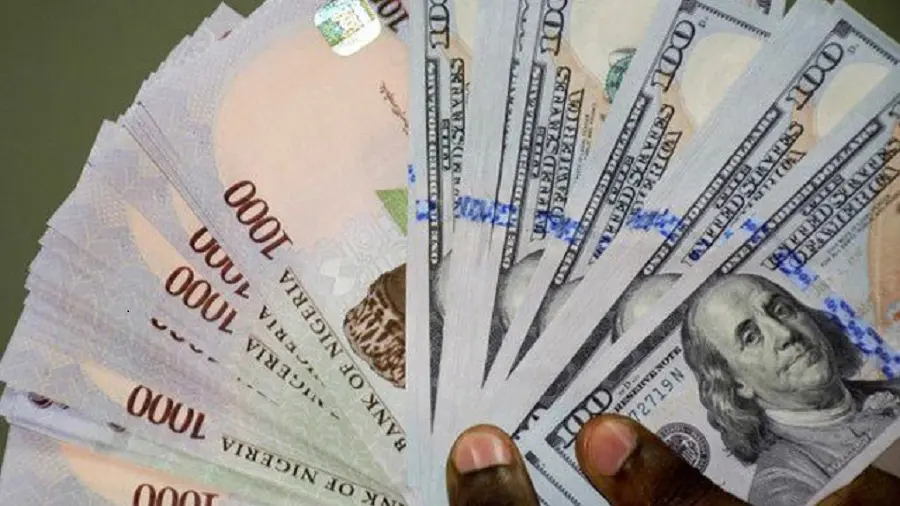
The Nigerian currency extended its losing streak at the official foreign exchange window for a third consecutive session, closing the week on a downbeat note as pressure on the naira persisted.
Data released by the Central Bank of Nigeria (CBN) showed the naira weakened to N1,365.69 per dollar on Friday, compared with N1,364.88 recorded at the previous close on Thursday. The marginal decline translated to a day-on-day depreciation of N0.81 against the greenback.
In contrast, the parallel market offered a moment of stability. The naira held firm at N1,430 per dollar on Friday, mirroring the rate quoted on Thursday and signaling a pause in the volatility that has characterized the segment in recent sessions.
The mixed performance occurred against a backdrop of rising external reserves. CBN figures indicate the country’s foreign exchange buffers appreciated to $52.03 billion as of Thursday, providing a measure of support for the monetary authority’s intervention capacity.
Despite the reserve accretion, the naira posted net losses for the week under review. According to data compiled by Media Talk Africa, the local currency depreciated by N2.53 on a week-on-week basis at the official market. At the parallel market, the decline was steeper, with the naira shedding N5 over the same comparative period.
Market analysts attribute the sustained pressure at the official window to lingering demand backlogs and structural liquidity constraints, even as the central bank continues its reform-driven unification efforts. The widening gap between the official and parallel rates — now hovering around N64 — remains a focal point for investors monitoring the pace of convergence.
The development underscores the fragile equilibrium in Nigeria’s foreign exchange landscape, where reserve growth has yet to translate into sustained currency appreciation. Participants will be watching next week’s auction dynamics and any policy signals from the monetary authority for cues on the near-term trajectory.